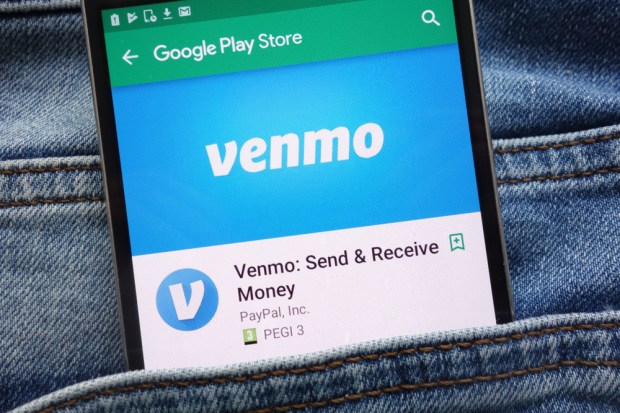
Digital peer-to-peer payment services like Venmo are growing in popularity, but according to a report in The Wall Street Journal, consumers who make faulty payments are having a tough time getting reimbursed.
Because the Venmo service, which links to bank accounts and credit cards, lets people send payments by scrolling through lists on their phone, it can be easy to send cash to the wrong person – but getting it back can be tough. The report highlighted a case in which one Venmo user paid for the wrong user’s meals or items, but because the money was already deposited in the wrong person’s account, it was difficult to get it all back and would require help from the receiver.
We’d love to be your preferred source for news.
Please add us to your preferred sources list so our news, data and interviews show up in your feed. Thanks!
The report stated that Venmo had about $12 billion in payments for the first quarter, but it didn’t say how often people send money by mistake. What’s more, the paper noted that the same mistakes and difficulties can happen with other peer-to-peer payment apps. A spokeswoman told WSJ that launching six years ago, Venmo has added measures to prevent mistakes. Venmo now uses an algorithm that highlights payments to new receivers, and has also added profile pictures so users can identify people to whom they are sending money. The spokeswoman acknowledged that mistakes do slip by, and urged users to send a message through the app to request the money to be returned.
The report comes on the same day that Uber and Venmo, the payment app owned by PayPal, announced that they’re partnering to deliver a new payment experience available with Uber and Uber Eats. In a press release, PayPal said that more than six million payments on Venmo mentioned Uber in their description during the past year, making an integration between the two apps a natural fit.


 Add as Preferred Source