“I am extremely proud of what the women and men of the agency have accomplished to promote economic opportunity, eliminate unnecessary regulatory burden, and operate the agency in a more effective and efficient manner,” Otting said, according to the release.
We’d love to be your preferred source for news.
Please add us to your preferred sources list so our news, data and interviews show up in your feed. Thanks!
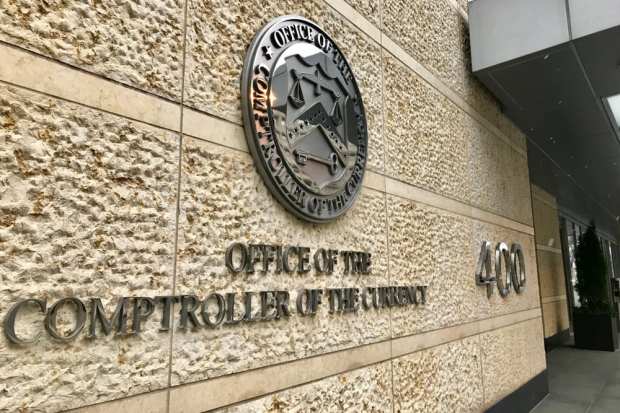
Otting’s tenure saw the Office of the Comptroller of the Currency (OCC) rationalizing the capital and liquidity rules to help banks serve customers’ needs while remaining safe, the release states. His tenure also included enhancing rules for implementing the Community Reinvestment Act; urging banks to implement new short-term, small-dollar credit to dissuade people from using the predatory lenders who have been known to provide the service, and boosting the Dodd-Frank Act to help with accountability and compliance so as to prevent the kinds of conditions that led to the Great Recession.
During his time as comptroller, the office also saw a reduction of the budget by $156 million, while also reducing assessments the agency charges in order to help banks and savings associations. The OCC “acted quickly and decisively” amid the coronavirus pandemic in helping banks work as normally as possible to help those affected, according to the release.
The last several years have seen an increased number of banks switching from their state regulators’ oversight to that of the OCC.
Otting will be succeeded by First Deputy and Chief Operating Officer Brian P. Brooks, the release states. Brooks previously worked at Coinbase as chief legal officer, and he was on the board of Fannie Mae.
“Brian and the Executive Committee are extremely well suited to continue the agency’s important work and succeed in its mission of ensuring banks operate in a safe, sound, and fair manner,” Otting said, according to the release.


 Add as Preferred Source