
Anti-money laundering (AML) refers to a set of laws, regulations, and procedures intended to prevent criminals from disguising illegally obtained funds as legitimate income. Though anti-money-laundering laws cover a relatively limited range of transactions and criminal behaviors, their implications are far-reaching.


The current wave of anti-money laundering (AML) technology has been largely precipitated by a series of directives issued by the European Parliament since 2015. Nevertheless,...

This week, the Securities and Exchange Commission (SEC) and the crypto community have been sending warnings to each other: the SEC chair said there was...

The European Banking Authority (EBA) published on Wednesday, June 15, its Annual Report which describes in detail the activities and achievements of the Authority in...

The U.S. and U.K. governments announced on Monday (June 13) a new joint initiative to encourage the development of privacy-enhancing technology (PET) that could be...
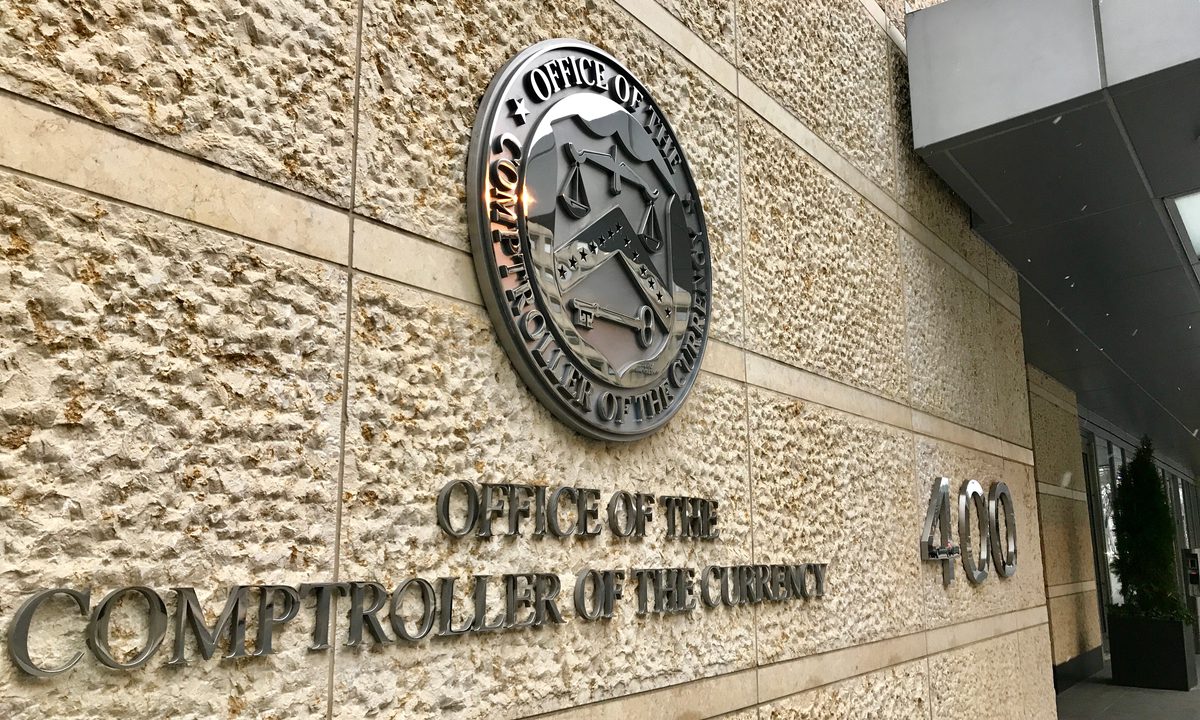
The Office of the Comptroller of the Currency (OCC) published last week, on June 7 and 8, two notices seeking comments about the agency’s plans...

A proposal being reviewed by the U.S. Treasury Department that would ID who controls unhosted cryptocurrency wallets would also allow innovations related to fighting financial...

Technologies designed to authenticate identities are being introduced around the world to replace cumbersome procedures involving usernames, passwords and paper-based identification documents. Biometrics, such as...
The Department of Justice (DOJ) released a report Monday (June 6) that urged the U.S. to strengthen its coordination with other nations to investigate and...