
Anti-money laundering (AML) refers to a set of laws, regulations, and procedures intended to prevent criminals from disguising illegally obtained funds as legitimate income. Though anti-money-laundering laws cover a relatively limited range of transactions and criminal behaviors, their implications are far-reaching.


Calling the cryptocurrency hype the “flywheel of growth that crypto projects seem to need to get off the ground,” the top U.S. bank regulator described...

U.S. prosecutors planned to send a message to the largely offshore crypto industry this week about the cost of ignoring the anti-money laundering (AML) laws...

Financial institutions (FIs) face a range of challenges in today’s payments ecosystem. While developing new ways of removing frictions from sending and receiving funds for...

Wells Fargo Advisors agreed to pay $7 million to settle federal Securities and Exchange Commission (SEC) charges that the firm failed to report at least...
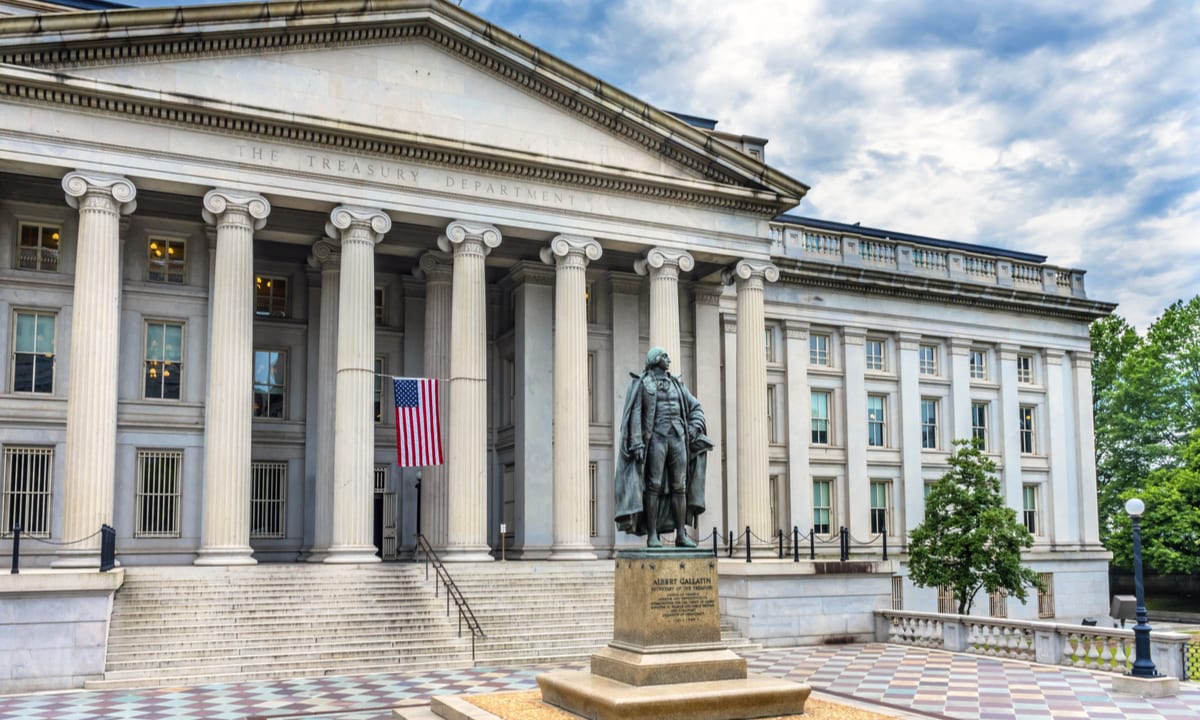
The U.S. Department of the Treasury issued its strategy for fighting illicit financing Friday (May 13), highlighting measures designed to make the financial system more...

The European Banking Authority (EBA) has warned that the largely unharmonized regulatory regimes across Europe regarding non-bank lending may create challenges for stakeholders, including regulators,...

Compliance has been a big question in the crypto industry for several years as trading firms and those using digital currencies to make and receive...

Today in the connected economy, Samsung makes a deal with Dish to sell equipment for its soon-to-launch American 5G network. Also, restaurant software firm Toast...