
Anti-money laundering (AML) refers to a set of laws, regulations, and procedures intended to prevent criminals from disguising illegally obtained funds as legitimate income. Though anti-money-laundering laws cover a relatively limited range of transactions and criminal behaviors, their implications are far-reaching.


Get the Full Story Complete the form to unlock this article and enjoy unlimited free access to all PYMNTS content — no additional logins required....
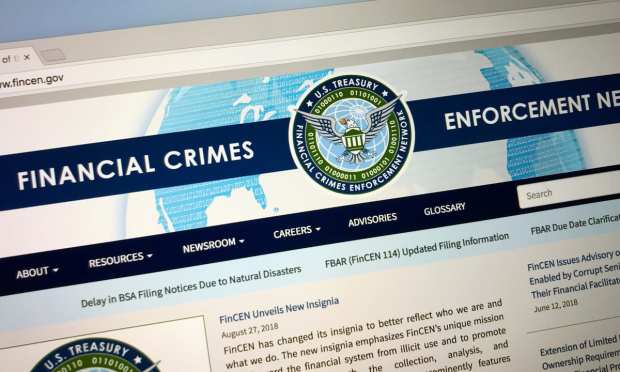
New expansive anti-money laundering (AML) priorities for financial institutions were recently handed down by the U.S. Treasury Department’s Financial Crimes Enforcement Network (FinCEN). Get the...

Get the Full Story Complete the form to unlock this article and enjoy unlimited free access to all PYMNTS content — no additional logins...

Cryptocurrencies’ anonymous nature makes them popular, but crypto exchange platforms are still required to collect buyers’ personal data for anti-money laundering (AML) and know your...

Get the Full Story Complete the form to unlock this article and enjoy unlimited free access to all PYMNTS content — no additional logins required....
National Australia Bank (NAB) said Monday (June 7) it is under investigation for breaches of the country’s money laundering and counter-terrorism laws. Get the Full...

Challenger banks live up to their moniker as “challenger” by using new tech to deliver a better and more convenient digital experience. In the Digital...

In today’s top news, bitcoin fell after Elon Musk said Tesla will no longer take cryptocurrency as a payment form, and LendingClub is partnering with...

Germany’s main financial regulator, the Federal Financial Supervisory Authority (BaFin), has ordered German neobank N26 to increase its anti-money laundering (AML) efforts, according to an...