
Anti-money laundering (AML) refers to a set of laws, regulations, and procedures intended to prevent criminals from disguising illegally obtained funds as legitimate income. Though anti-money-laundering laws cover a relatively limited range of transactions and criminal behaviors, their implications are far-reaching.


Consumers are increasingly turning to debit to manage their spend, and fraudsters are wise to the move. In the latest Next-Gen Debit Tracker, Chris Tremont,...
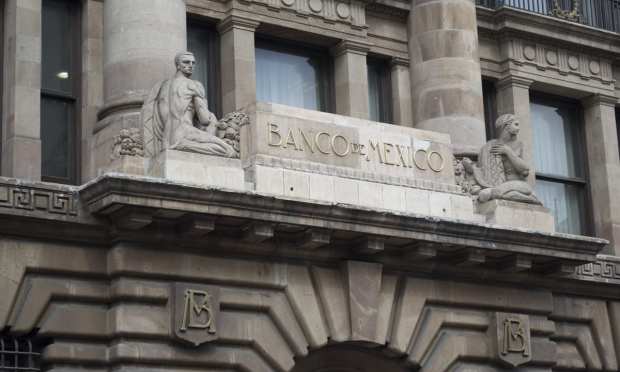
In Mexico, the pandemic is moving the needle toward digital payments — specifically mobile payments — to become more widely embraced by businesses and consumers...

New legislation passed by Congress will implement new regulations on the antiquities trade in order to hopefully crack down on the possibility of money laundering...

Indian FinTech Cashaa and the country’s United Multistate Credit Cooperative Society teamed up to launch what they say is the world’s first cryptocurrency bank branch...

This year, the PYMNTS data and analytics team published 252 reports that tracked the data, innovations and disruptive thinking that are reshaping the payments and...

With digital transactions and eCommerce soaring during the pandemic, the rate of increasingly sophisticated fraud has also risen. With it, financial institutions need to strengthen...
MoneyGram International is putting its muscle behind U.S. regulators’ proposal to tighten financial reporting required of financial institutions (FIs). Get the Full Story Complete the...
Credit Suisse has been indicted by Swiss prosecutors for allegedly failing to prevent money laundering, Bloomberg reports, adding that a former bank manager was also...

On Friday (Dec. 11), the U.S. Senate passed legislation that would strengthen anti-money laundering (AML) rules. The legislation would also ban anonymous shell companies. Get...