Business-to-business (B2B) payments are the lifeblood of the modern economy, with businesses spending trillions of dollars on merchandise, services and other goods from their vendors and creditors. Experts estimate that $120 trillion crisscrosses the globe in B2B payments annually, $25 trillion of which businesses conduct in the United States. However, this total payments volume belies the difficulty many companies face making these payments, thanks to inefficient accounts payable (AP) processes.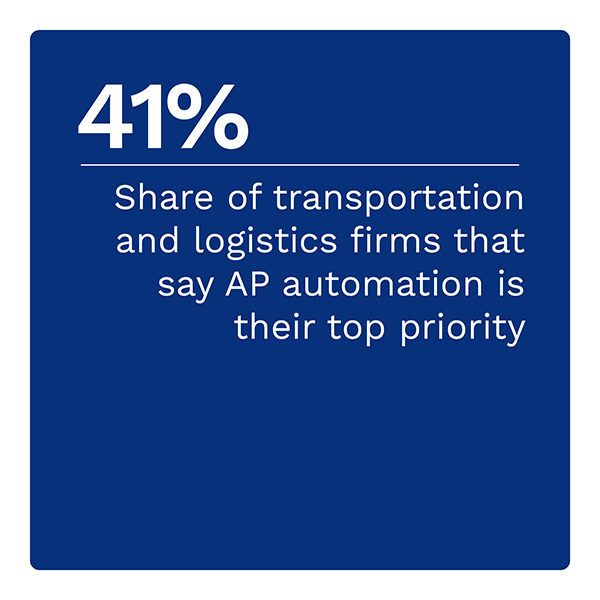
Improving these processes could reap significant revenue and quality-of-life benefits for employees. Seventy-five percent of transportation businesses that struggle to get invoices approved for payment consider resolving these issues an urgent priority. Fifty-five percent say that innovating AP platforms is an important goal.
The “Accounts Payable Payments as a Service Tracker®” examines how AP automation can reduce late payments and bolster businesses’ overall financial health.
Around the Accounts Payable Space
There has never been more diversity in B2B payments as innovative new digital methods compete with legacy transaction techniques. A recent survey found that the average middle-market company used five different payment methods on average, with physical credit cards and wire transfers being the most popular.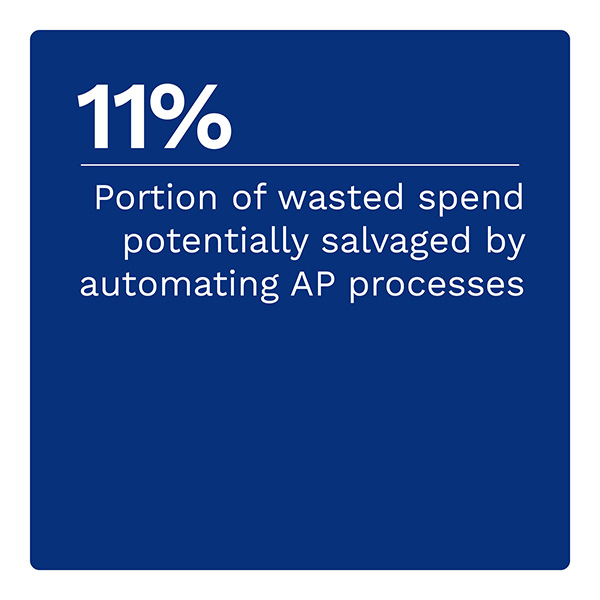
AP streamlining can be a boon for businesses of all sizes. It can reduce accounting team stresses and expenses and allow companies to focus resources on value-adding propositions. OpenEnvoy recently raised $15 million in Series A financing for its AP automation solution, intending to help businesses achieve growth.
For more on these and other stories, visit the Tracker’s News and Trends section.
We’d love to be your preferred source for news.
Please add us to your preferred sources list so our news, data and interviews show up in your feed. Thanks!
Experts Weigh in on How Payments Automation Can Aid Middle-Market Businesses
Payments expectations are getting faster than ever in the digital age. AP automation is critical for meeting these demands and can also reduce errors and limit payment delays to an absolute minimum.
To learn more about AP automation’s speed potential, read the Tracker’s Insider POV.
Leveraging Digitization and Automation to Improve AP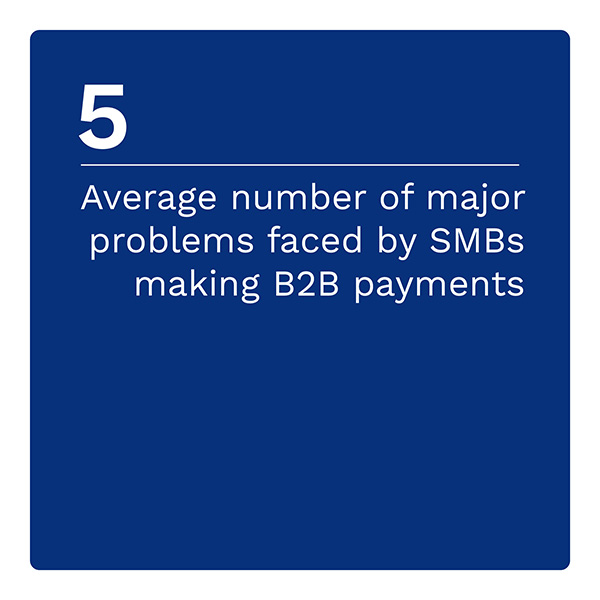
Late payments are some of the most difficult challenges businesses face in day-to-day operations, and they can have wide-ranging implications if not tackled swiftly. Streamlining the AP process to reduce late payments is thus a top priority for businesses on both sides of the B2B equation. Still, this is not as straightforward if companies continue relying on legacy payment methods.
This month, PYMNTS describes how automation can reduce late payments and bolster businesses’ overall operations and financial health.
About the Tracker
The “Accounts Payable Payments as a Service Tracker®,” a collaboration with Finexio, examines how businesses can benefit from AP automation.



 Add as Preferred Source