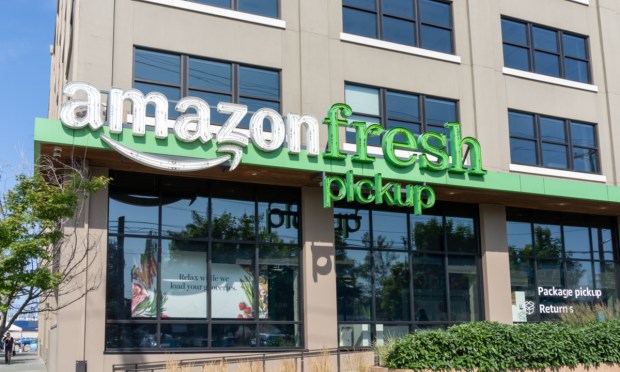
“While we’ve seen encouraging signals in our Amazon-branded physical grocery stores, we haven’t yet created a truly distinctive customer experience with the right economic model needed for large-scale expansion,” the company wrote in its announcement Tuesday (Jan. 27).
“After a careful evaluation of the business and how we can best serve customers, we’ve made the difficult decision to close our Amazon Go and Amazon Fresh physical stores, converting various locations into Whole Foods Market stores.”
The post adds that customers can still continue to shop Amazon Fresh Online, and that it would work to help employees find roles elsewhere within the company. Amazon added that the stores had offered it insights into customer preferences, with the company developing its Just Walk Out technology at Amazon Go locations.
We’d love to be your preferred source for news.
Please add us to your preferred sources list so our news, data and interviews show up in your feed. Thanks!
For its part, Whole Foods will open more than 100 stores in the next few years, including the expansion of the convenience-focused Whole Foods Market Daily Shop. Five such stores are already in operation, with another five locations planned by the end of the year.
The company is also planning to expand same-day delivery of fresh groceries — which it began offering last year — to more communities in 2026.
“Perishable grocery sales through this Same-Day service have grown 40x since January 2025, and fresh groceries now make up nine of the top ten most-ordered items in areas where perishable groceries are available for Same-Day Delivery,” Amazon said.
Amazon announced plans to close its Fresh locations in the U.K. last year, as customers in that country increasingly buy their groceries online.
That trend is happening across the Atlantic as well, amid ongoing high prices, according to recent PYMNTS Intelligence research.
It found that consumers feeling high levels of financial stress spent an average of $109 during their most recent grocery visit, versus $95 among low-stress shoppers. This result indicates fewer trips and more deliberate planning, rather than more relaxed spending.
“Digital channels amplify this behavior,” PYMNTS wrote last week. “Financially stressed shoppers appear to favor online grocery purchases for the control they offer, including easier price comparisons and access to promotions. In-store grocery shopping still plays a role, but the growth momentum is clearly digital for this group.”


 Add as Preferred Source