BPI and other banking groups have argued that these licenses could put consumers and the financial system at risk by allowing these companies into the financial system without the same controls required of banks, according to the report.
The association has not yet decided whether to pursue legal action, per the report.
We’d love to be your preferred source for news.
Please add us to your preferred sources list so our news, data and interviews show up in your feed. Thanks!
BPI did not immediately reply to PYMNTS’ request for comment.
A national bank trust charter can convey significant advantages, including the preemption of state banking laws in certain areas, access to the Federal Reserve payments system, and the license of federal supervision, PYMNTS reported in December.
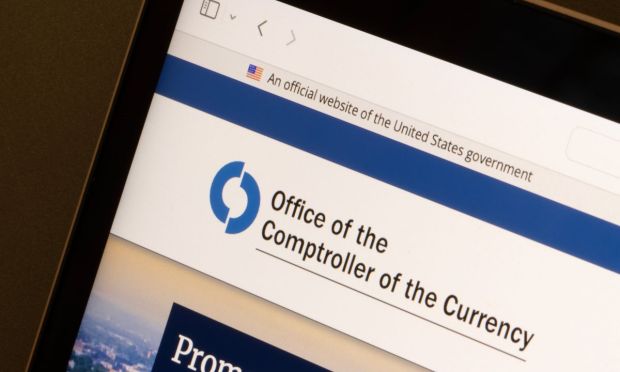
When the OCC conditionally approved applications for new national bank trust charters to five applicants from the digital asset and blockchain finance space, Comptroller of the Currency Jonathan V. Gould said in a press release: “New entrants into the federal banking sector are good for consumers, the banking industry and the economy.”
Traditional banking groups, including BPI, expressed reservations about the OCC’s actions.
BPI said in a December statement: “Today’s decision by the OCC to grant conditionally five national trust charters leaves substantial unanswered questions. Chiefly, whether the requirements the OCC has outlined for the applicants are appropriately tailored to the activities and risks in which the trust will engage. We hope the OCC will share more details about these applications so the public can better understand the rationale behind today’s decision.”
PYMNTS reported in October that many FinTechs are turning to bank charters as a means to broaden their reach and expand product lines by cutting through state-by-state licensing and gaining direct access to the U.S. financial system.
Without a bank charter, FinTechs must stitch together a patchwork of state money-transmitter licenses and rely on partner banks for access to the Federal Reserve system. With a charter, they can unlock nationwide reach and access to the payments and settlement rails that keep commerce moving.


 Add as Preferred Source