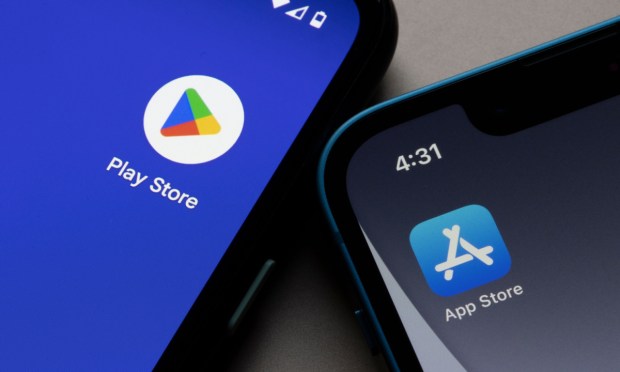
The Competition and Markets Authority (CMA) issued a proposal Tuesday (June 30) that would lift the restrictions imposed by the companies that prevent app developers from directing users to alternative methods of payment.
“We think it is important to give both app developers and users more choice about how they communicate and how they transact,” Will Hayter, executive director for digital markets at the CMA, said in the watchdog’s announcement.
“This is not only because choice is inherently valuable but also because we see this as the best way to introduce some competitive pressure in a vital part of the mobile ecosystem that is otherwise sorely lacking such pressure.”
The CMA says it would expect any steering fees to be lower than current app store charges, with savings returned to British consumers or invested into developers’ businesses.
We’d love to be your preferred source for news.
Please add us to your preferred sources list so our news, data and interviews show up in your feed. Thanks!
The release added that the CMA had heard concerns from businesses that Apple’s “high fees and strict terms” had barred access to near field communication (NFC) functionality. Now the regulator said it is “designing a potential requirement” that would permit access for developers.
Unblocking the restriction would allow British FinTechs and developers to support contactless transactions, such as card-based payments via digital wallets, from within their iOS apps.
“Doing so would help unlock innovation and competition by supporting future payment methods such as account-to-account, digital currency and stablecoin, as well as other non-financial uses, including digital ID and car keys,” the release added.
A report on the CMA proposal by the Financial Times includes a statement from Apple arguing that the policy would “undermine” the App Store’s consumer protections, “opening the door to scams, bait-and-switch tactics and the circumvention of parental controls.” Google told the news outlet it had already reduced its fees.
The CMA’s proposal comes one day after a report that Apple had intensified its legal battle with India’s competition regulator over the company’s app store policies. Apple has consistently denied breaking Indian antitrust laws.
The company’s app store policies have also faced pushback from developers in the European Union, and were the subject of a lawsuit in China last year. Apple is also facing antitrust litigation in the U.S. related to the app store.
Apple released findings earlier this month showing that the app store facilitated more than $1.4 trillion in developer sales/billings during 2025, and that those developers paid no commission to Apple for 90% of transactions.
“Developers are the heartbeat of the App Store, and this year’s incredible milestone is a testament to their boundless creativity,” Apple CEO Tim Cook said in a news release at the time.


 Add as Preferred Source