Apple consensus estimates may decrease due to the possibility of weaker demand from China, said Jim Suva, a director and senior analyst at Citi, according to reports.
Suva said sales of the electronic giant “could be cut in half,” owing to a “less favorable brand image.” He still holds a buy rating for the company and a $205 price target, but he cautioned there could be some volatility in the price in the near future.
We’d love to be your preferred source for news.
Please add us to your preferred sources list so our news, data and interviews show up in your feed. Thanks!
Shares in Apple dropped 0.3 percent pre-market to $200.90.
In April, Apple cut prices of its products by nearly 6 percent in China due to lesser demand.
According to a CNBC report citing the Cupertino, California, iPhone maker’s online store in China, the cuts are across the board on its iPhones, iPads, Macs and Airpods. As one example, an iPhone XR is now priced 4.6 percent lower than it was at the end of March, the report said.
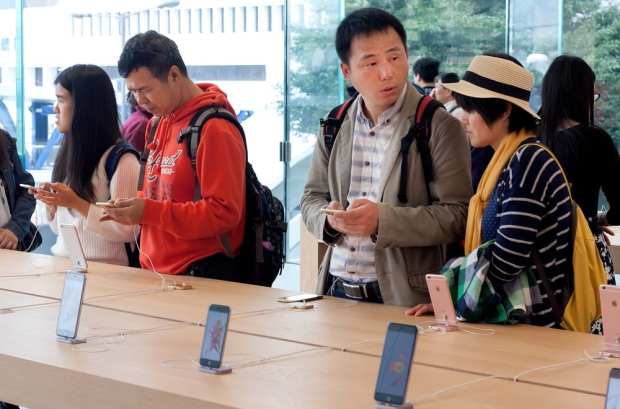
The price cuts were prompted by lower-than-anticipated demand for iPhones in China, Taiwan and Hong Kong, the news outlet reported. Apple blamed its fourth-quarter revenue shortfall on its China business, with CEO Tim Cook saying at the time that the shortfall was 100 percent due to iPhone sales, largely in China. As of the fourth quarter, China accounted for around 15 percent of Apple’s sales.
Demand has been slumping in China for Apple products in part because of the hefty price tag. Chinese competitors are cramming the same technology as Apple in their smartphones but are charging a fraction of the cost. Additionally, the smartphone market is getting saturated. Consumers are holding on to their phones longer, lengthening the replacement cycle. All of that has hurt Apple the most, and its stature declining in the country.
With sales of the iPhone slumping, Apple has been in diversification mode, focusing more on services revenue, which encompasses everything from iTunes to Apple Pay.


 Add as Preferred Source