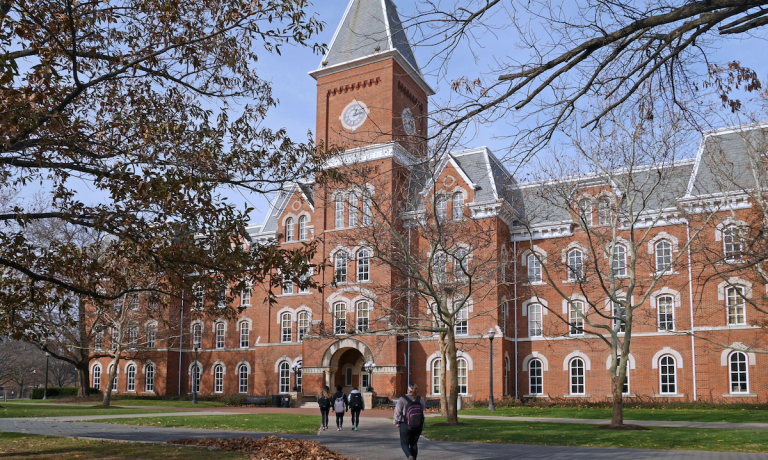
The artificial intelligence (AI) startup has sold more than 700,000 licenses for its ChatGPT product to around 35 universities for use by faculty and students, Bloomberg News reported Thursday (Dec. 18), citing a review of purchase orders.
The report adds that the true number could be much higher, as private schools’ purchasing records aren’t readily available to the public. An OpenAI spokesperson told Bloomberg that the company has sold “well over a million” licenses to colleges around the world.
Bloomberg notes that OpenAI is continuing a long-held practice in the tech industry of offering discounted products to students to turn them into customers, with the company thus far enjoying a lead over Microsoft and Google AI products.
Schools willing to purchase bulk access to ChatGPT are paying a few dollars per user each month, the contracts reviewed by Bloomberg show. That’s compared to the $20 per month OpenAI normally charges for a smaller number of educational users. For corporate customers, ChatGPT can cost up to $60 each month.
The report adds that many school administrators have come to an uneasy acceptance of artificial intelligence after years of concern that students would use the technology for cheating.
Advertisement: Scroll to Continue
“We don’t think there’s going to be an option in the future to opt out,” said Anne Jones, vice provost for undergraduate education at Arizona State University, which purchased ChatGPT subscriptions for its entire faculty and student body. “Employers expect and need a labor force that knows how to work with these tools.”
Madeline Pumariega, president of Miami Dade College, offered a similar sentiment in an interview with PYMNTS last year, after the school announced a $5 million investment in a pair of AI centers.
“We felt there was a workforce need, and that’s our thought process in developing a program, to meet the workforce needs and be innovative in the way we do it,” she said “We have to move this fast, to be responsive to the workforce and responsive to the industries’ needs.”
And as covered here Thursday, AI is “changing jobs faster than companies can reorganize them,” with new PYMNTS Intelligence data showing that the impact is much more uneven and complex than indicated by earlier predictions.
For example, the research found that 48% of goods producers are using artificial intelligence primarily to increase output and efficiency. By contrast, 30% of service companies use the technology chiefly to enhance decisions and customer experiences. Tech firms are divided, with 42% adopting AI to remain competitive in fast moving markets.
For all PYMNTS AI coverage, subscribe to the daily AI Newsletter.