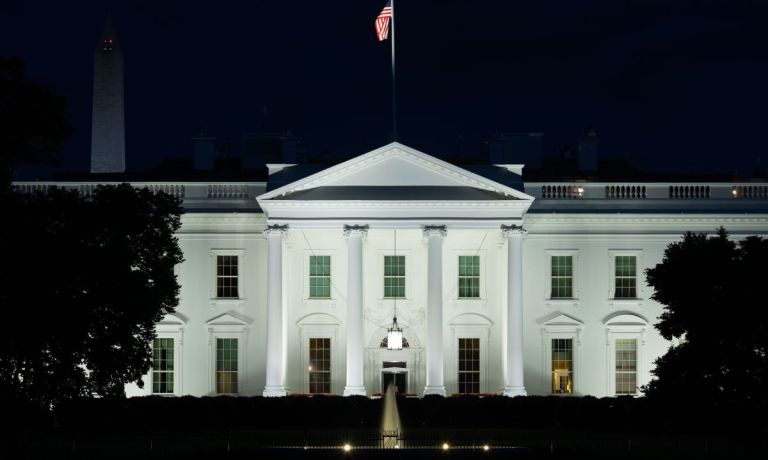
“For banks, payments firms and FinTechs leaning on AI for fraud detection, credit decisioning and customer-facing chatbots, the message is straightforward: the White House is seeking one federal playbook, not a patchwork of state requirements,” PYMNTS wrote.
But making that order a reality could face legal and political opposition from states who want some say in how artificial intelligence (AI) is governed, Reuters reported Friday (Dec. 12).
The report noted that Trump’s order, which instructs federal agencies to sue and withhold funding from states whose AI laws the White House finds problematic, is a victory for tech companies. Those firms had argued that a hodgepodge of state AI regulations hurts the U.S. as it competes with China.
However, experts tell Reuters that the administration will face legal roadblocks in carrying out the order, and could see opposition from Republican-led states.
“There is not a lot of legal authority that the administration can rely on to enforce a significant portion of the order,” said Joel Thayer, head of the Digital Progress Institute.
Advertisement: Scroll to Continue
One of the order’s major enforcement mechanisms calls on the Commerce Department to keep states with onerous AI regulations from accessing the $42 billion Broadband Equity, Access, and Deployment program (BEAD).
That program, Reuters said, is crucial for increasing internet access in rural areas, a key voting bloc for Trump, who won voters living in rural areas by 40 points last year.
Dean Ball, a former White House official who contributed to the AI Action Plan the administration published in the summer, said the effort to tie the funding to AI laws faces uncertainty.
“I think the administration has a 30 to 35% chance of this working legally,” Ball said.
As PYMNTS wrote last week, there is a growing divide on AI regulation and development between the federal government and the states.
State lawmakers have put forth hundreds of bills addressing a wide range of AI-related issues. And earlier this month, Florida Gov. Ron DeSantis (R), a potential 2028 presidential candidate, announced a package of legislative proposals designed to protect Floridians’ personal data from misuse by AI systems and restrict development of data centers.
Without proper safeguards, DeSantis said during a news conference, AI could usher in “an age of darkness and deceit.”