

The best fraud prevention stops bad transactions and lets good ones move faster. But new findings in the June 2026 edition of The 2026 Certainty Project, a PYMNTS Intelligence and Plaid collaboration, reveal the ways in which that definition is no longer complete. Although nearly...
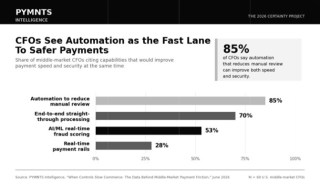
Security controls are designed to stop bad payments, but new data suggested the strongest systems may be the ones customers barely notice. The PYMNTS Intelligence report “When Controls Slow Commerce: The Data Behind Middle-Market Payment Friction,” the latest installment of the 2026 Certainty Project, found...
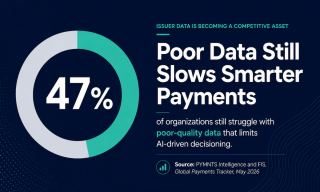
Payments used to be judged by whether they moved money quickly. Now they are judged by how well they make decisions before, during and after a transaction. The PYMNTS Intelligence report “Where Payment Decisions Happen: How Issuer Data Is Powering the Next Era of Commerce,” a...

LexisNexis Risk Solutions and Promon are working together to help organizations protect their mobile apps from fraud. The companies’ new alliance brings together LexisNexis ThreatMetrix digital identity, device and behavioral intelligence; Promon Shield in-app protection; and Promon Insight trusted telemetry, they said in a Wednesday...

Fraud used to sit in the back office. Now it has a front-row seat in the issuer growth strategy. Every blocked purchase, failed dispute or scam that slips through can weaken the cardholder relationship. That makes fraud prevention more than a risk-control function. It’s now...

The Aspen Institute Financial Security Program (Aspen FSP) has launched a new effort focused on reducing the scale and severity of scams affecting Americans. The Scam Prevention Initiative aims to improve how scams are measured, tracked and understood; bring together industry, government and civil society...

Watch more: The Digital Shift With Spreedly’s Justin Benson The 2026 World Cup will generate billions of dollars in ticket sales, travel bookings and merchandise purchases, but for merchants, it may also become the largest real-world examination of fraud controls and cross-border payment infrastructure they...

Fraud deadlines arguably don’t attract much attention outside compliance departments. This year’s changes to the Nacha Operating Rules reshape how banks are expected to identify suspicious ACH activity before losses accumulate. Fraud no longer arrives through one payment type or one customer relationship. Criminals move...

Banks have spent decades building fraud systems that see one transaction at a time. A charge either looks suspicious or it doesn’t. Fraud rings built their business model around that gap, spreading activity across thousands of payments using stolen cards, mule accounts, shared devices and...