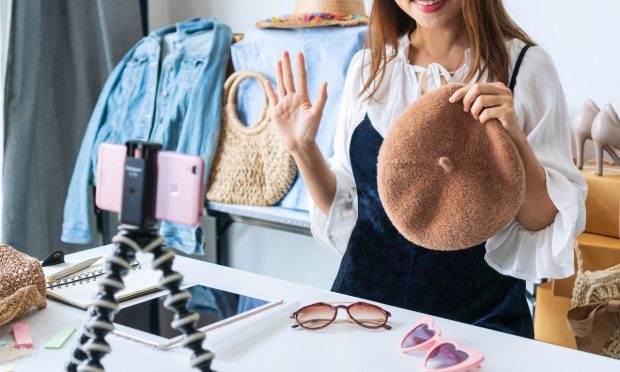
The video sharing site announced Thursday (Aug. 27) that Amazon has joined YouTube’s Shopping Affiliate Program in the U.S., allowing eligible creators to tag Amazon products in Shorts, long-form videos and livestreams. Viewers can discover and buy those products while creators earn commissions.
We’d love to be your preferred source for news.
Please add us to your preferred sources list so our news, data and interviews show up in your feed. Thanks!
“Amazon has officially joined the YouTube shopping affiliate program in the U.S. … Viewers can discover and shop your recommendations in a sleek, non-disruptive way while they watch,” Rene Ritchie, a content creator and head of editorial and creator liaison at YouTube, said in the video announcement.
For Amazon, the partnership offers access to the discovery stage of shopping, before consumers reach Amazon.com. For YouTube, it adds one of the world’s largest product catalogs without requiring the platform to build its own retail operation.
Creators must participate in YouTube’s Partner Program and Shopping Affiliate Program and have an active Amazon Influencer or Associates account linked to their YouTube channel. Amazon will provide a curated catalog of popular and trending products. YouTube can also automatically identify eligible Amazon products in videos when creators enable autotagging.
The deal comes as social platforms seek to capture more of the path from discovery to purchase. TikTok, for example, has been expanding TikTok Shop and reportedly testing a paid membership program offering discounts and free shipping. The goal is similar: keep shoppers from leaving the platform when they are ready to buy.
Influencer commerce already has significant reach. According to PYMNTS Intelligence research, more than half of U.S. consumers make an influencer-recommended purchase at least once a year, but 95% of those shoppers typically conduct additional research before buying. Creators can generate interest, but consumers still want validation.
Google is approaching the same challenge from another direction. Its Universal Cart is designed to follow shoppers across Search, YouTube and Gmail, while its agentic commerce efforts aim to let AI monitor prices, inventory and eventually execute purchases. That makes YouTube’s Amazon integration more than an affiliate feature. It is another step toward making commerce native to digital content and another sign that the lines between retailer, media platform, creator and checkout are disappearing.


 Add as Preferred Source