College sports programs can have enough revenue committed to pay their athletes and still lack the cash when payments come due.
The timing mismatch runs through the financial administration of athlete compensation. Media revenue, sponsorships and other university sources fund revenue sharing. Third-party marketing deals fund name, image and likeness (NIL) compensation. The money supporting those commitments doesn’t necessarily arrive on the athlete’s scheduled payday.
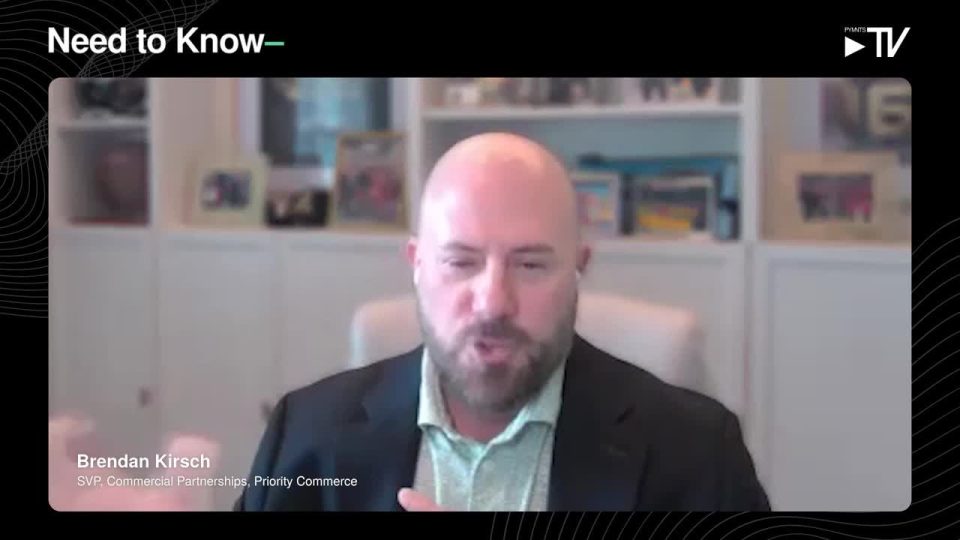
But as Brendan Kirsch, senior vice president of commercial partnerships at Priority Commerce, told PYMNTS, “revenue isn’t cash.”
Kirsch said student athletes shouldn’t have to wait because a university encounters a cash flow shortfall. He cited athletes taking legal action against coaches and programs over promised dollars that arrived late or never arrived, describing the consequences as a matter of trust as well as accounting.
Meeting a commitment requires administrators to know what’s owed, when it’s due and which funds will cover it. The answers are difficult to find when agreements, budgets, payment schedules and cash forecasts sit in separate places.
The range of transactions adds to the administrative work. Beyond NIL and revenue sharing, Kirsch cited bonuses, rent and meals. Universities handle these flows differently, using different payment methods and combinations of vendors.
Even identifying the source of a payment is essential to documenting it correctly. School-funded revenue sharing counts against a cap. Third-party NIL compensation carries obligations tied to the use of an athlete’s name, image and likeness.
“On the rev share side, you need the agreement, payments records, and proof that it fits under the cap,” Kirsch told PYMNTS.
An NIL payment may depend on an athlete completing an autograph signing or producing marketing videos, followed by the required review and clearance. Administrators need records showing that those conditions were satisfied before money was released.
A signed agreement consequently begins a series of tasks that must remain connected. Asked where execution most often breaks down, Kirsch pointed to “the moment that the contract ink is dry.”
Programs are building those procedures while compensation rules continue to change. As he put it, “there’s no playbook, but the rules keep changing.”
Managing the Commitment and the Cash
Priority’s GameTime platform brings contracts, budgets, payment schedules and compliance reporting into one system. Its work with Rally, the collective serving Notre Dame athletes, illustrates how a university and a separate organization can share access to the financial records behind athlete compensation.
Kirsch said Rally can view athlete budgets, payment information, escrow balances and contracts awaiting review. Program rosters, existing agreements and budgets are loaded into the system, with access permissions established for coaches, general managers and administrators.
Revenue sharing and NIL remain separately identifiable within those records. Kirsch said an approved revenue-sharing agreement can support an instant payment. An NIL payment must follow completion of the athlete’s contractual duties and the necessary NIL GO review and clearance.
Priority also offers financing when an incoming payment is late but compensation is due. Kirsch used the example of a sponsor missing its payment date while a school or collective owes an athlete. Financing supplies funds to cover that interval.
The financial administration continues on the receiving end. Some athletes are handling their first substantial earnings, and the amount deposited into an account can obscure the need to retain money for taxes.
Kirsch cited congressional testimony about an 18-year-old whose NIL earnings went largely toward family support and everyday bills, leaving insufficient savings for a subsequent tax bill.
GameTime accounts include a linked debit card and access to a tax reserve account that can set money aside automatically. That feature gives athletes a way to reserve part of their receipts before spending the remaining balance.
Making reliable payments routine will require systems that accommodate changing rules while keeping commitments, funding and records connected. Kirsch described the objective as “giving athletes confidence that they’ll get paid and giving everyone a clear picture of where the money is and where it needs to go.”
Watch the full interview with Brendan Kirsch to learn more about:
- How funding delays affect athlete compensation.
- What records schools need to substantiate payments.
- Why young earners need support managing their income.