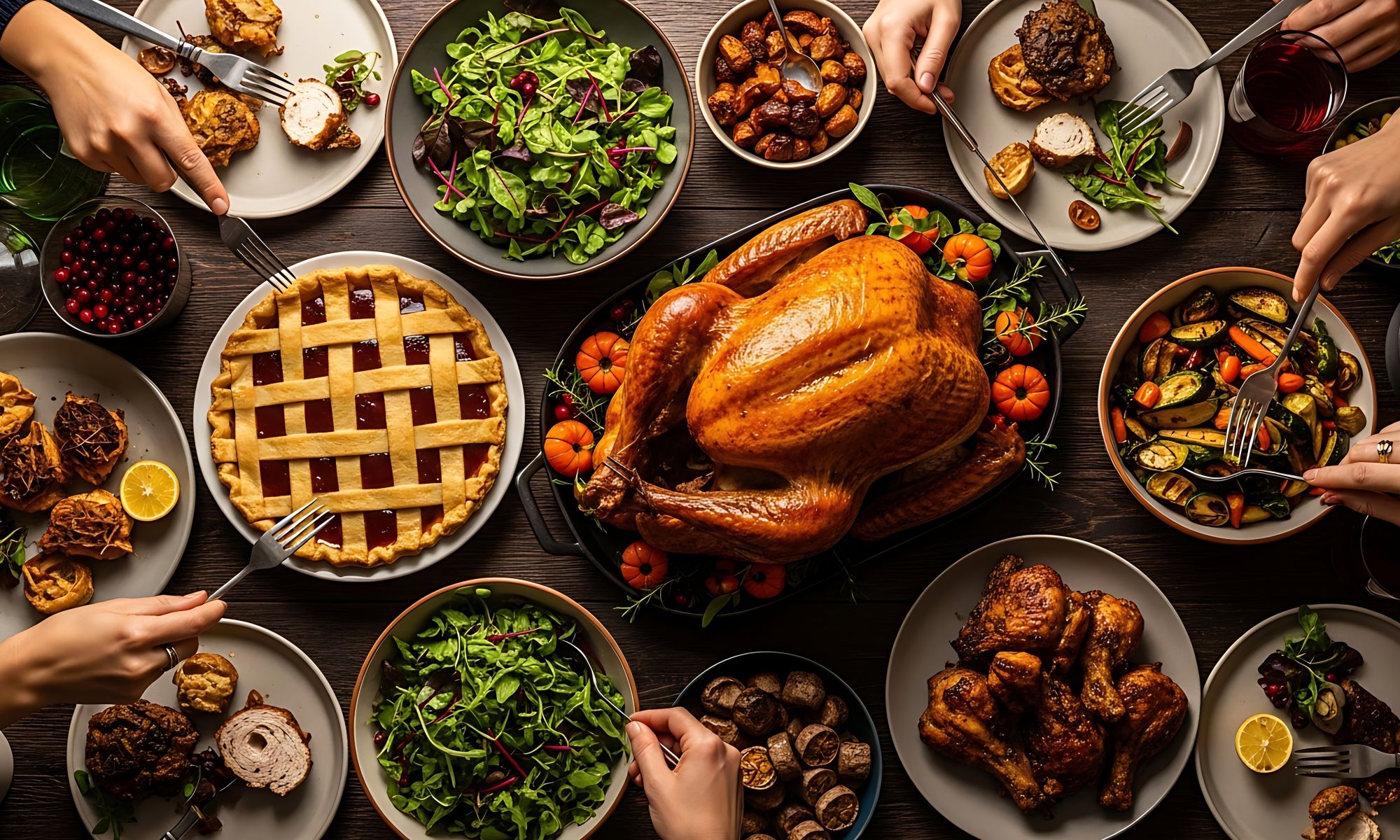
The Friday that comes this week may be a day late, and possibly a few dollars short, for Thanksgiving dinner. A shopper who needs that check to cover the groceries has several ways to get the food home by Wednesday.
A credit card, of course, puts the purchase on a later statement. A card issuer’s installment plan can divide an eligible charge into scheduled payments. Buy now, pay later (BNPL) can do the same at checkout, often with part of the bill due that day.
The pressures on consumers, and the wider embrace of a variety of payment options to manage cash flow, are front and center this holiday shopping season. CBS Sunday Morning looked at both credit card debt and BNPL on Sunday (Nov. 22), as families prepared for Thanksgiving.
What the Shopper Buys With More Time
PYMNTS has been tracking the movement to use “paying over time” for household essentials for quite a while. CEO Karen Webster put the grocery bill at the center of an earlier column on paying for food with credit. And in her column on debit cards as a way to access credit, Webster reported that payment size and scheduling ranked ahead of rewards as reasons to use installment products.
There is evidence that families already use various kinds of installments. In PYMNTS Intelligence’s October study of family payment choices, 45% of married consumers and 39% of single consumers with children at home said they had used card installments in the prior three months. The shares for BNPL were 15% and 13%, respectively, across all purchases. When PYMNTS Intelligence asked about where people shop, roughly 1 in 5 said BNPL influenced their choice of grocer, compared with nearly 4 in 10 for food delivery.
The Bill After Thanksgiving
On Monday, Visa and Klarna expanded their partnership, allowing merchants on Visa Acceptance Platform in supported markets to add Klarna through their existing setup. There is already a grocery example in DoorDash’s agreement with Klarna, which included grocery orders alongside restaurant and retail purchases. Affirm’s planned test on other issuers’ debit cards, expected to begin in the first half of 2027, gives issuers a different way to offer installments through a card shoppers already use.
The November PYMNTS Intelligence study of financial shocks shows how quickly an unrelated bill can change what a household has available for food. Among consumers who faced an unexpected expense of at least $400, 21% said they used credit more than usual after their largest expense, and 21% said they cut back on groceries. Those are separate responses. Both show how a repair or medical bill can force a household to revisit what it spends in the weeks that follow.
For grocers and lenders, the figure worth watching after Thanksgiving is how often shoppers finance successive grocery trips while earlier payments are still due. One split bill might be settled comfortably over the next few checks. If another basket goes on installments every week, several payments are likely to come out of the same check, possibly increasing pressures on the household budget.