Retail’s biggest holiday opportunity is getting a rewrite this year. Major retailers, staring down an uncertain macro environment, are chasing shoppers who shop more often, not who spend more.
Recent third-quarter earnings results from Target and Walmart suggest major retailers are finding ways to increase sales without relying entirely on consumers spending more per transaction. But the shift creates a potential mismatch between how retailers generate revenue and what it costs them to capture that revenue. More transactions can mean more store visits, stronger customer relationships and greater market share. They can also mean more orders to pick, more deliveries to coordinate and more promotional spending to persuade consumers to return.
That tension is becoming more important as retailers head into the holidays.
Read more: Black Friday Escapes the Calendar and Heads for Your Wallet
Retailers Are Competing for a Greater Share of Existing Spending
The quarterly sector results point to a retail environment in which capturing an additional purchasing occasion may be more achievable than expanding the amount consumers spend on any single occasion.
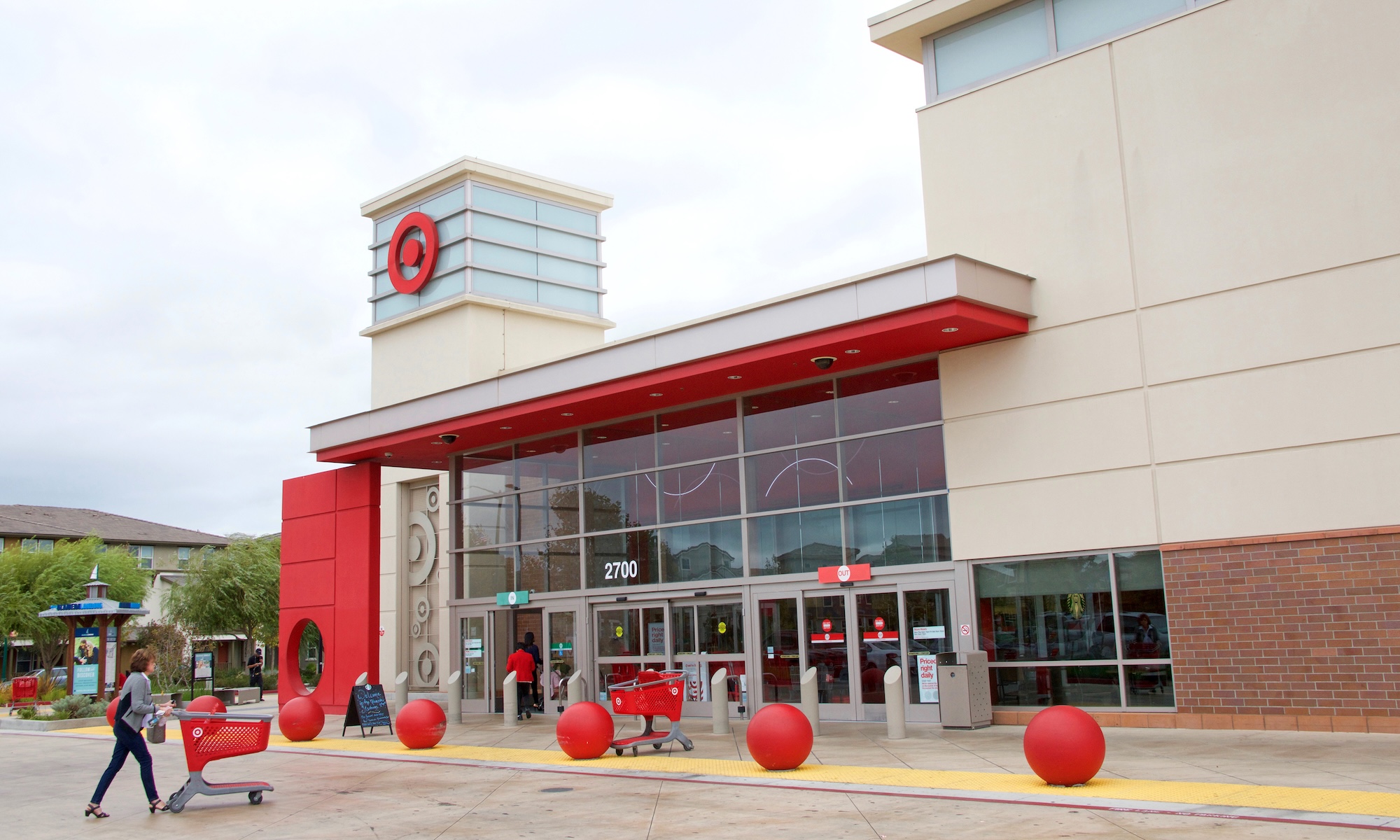
Target reported a 5% increase in traffic during the quarter ended Oct. 31, accounting for most of its 5.6% comparable-sales growth. Walmart U.S. reported a 1.5% increase in transactions, while Sam’s Club U.S. recorded a 5.1% gain despite a 0.3% decline in average ticket. Target reduced prices on nearly 2,000 additional items during the third quarter. Walmart ended the period with approximately 7,700 price rollbacks across its U.S. business.
The immediate objective is familiar: Give consumers a financial reason to choose one retailer over another. But the transaction data suggest that price competition may be working through shopping frequency as much as basket size.
At Walmart U.S., comparable sales excluding fuel increased 2.9%, with growth split almost evenly between a 1.5% increase in transactions and a 1.4% increase in average ticket.
Sam’s Club offered a different equation. Comparable sales excluding fuel rose 4.9% as transactions increased 5.1% and average ticket declined 0.3%.
One merchant’s additional order may represent another merchant’s lost transaction. That makes the ability to win repeat purchases more valuable, but potentially more expensive, particularly when retailers use discounts and fulfillment incentives to attract them.
Read more: October CPI Shows Grocery Bills Rising as Inflation Slows
Target’s Convenience Strategy Changes the Cost of Winning a Sale
A customer who buys several items during one store visit creates a different cost structure from a customer who places multiple small digital orders requiring employees to locate merchandise, prepare packages and coordinate delivery.
Target’s results illustrate how the competition for transactions is extending beyond merchandise pricing. Store comparable sales increased 4.6%, while digital comparable sales climbed 9.8%. Two-thirds of Target’s digital business now comes through same-day services, including in-store pickup, curbside pickup and home delivery.
Home delivery grew twice as fast as pickup services, according to the company, and now reaches 80% of the U.S. population. Meanwhile, next-day shipping appeared as an option at checkout twice as frequently as a year earlier. Together, those capabilities allow Target to compete for purchases that might otherwise go to a nearby store, a delivery platform or an online marketplace.
The competitive advantage is not necessarily that Target can sell an item for less. It is that the company can offer consumers more ways to obtain it within the time they need it.
During the holidays, that flexibility can become especially valuable. A reliable pickup window or delivery promise may determine where a consumer places an order, even when competing retailers offer similar prices.
See also: Amazon and Walmart Are Turning Retail Efficiency Into Someone Else’s Expense
The broader lesson is that transaction growth and consumer spending strength are not interchangeable. Retailers can report higher sales because consumers make more purchases, even when individual baskets remain constrained. They can also gain market share by offering lower prices and more convenient fulfillment without necessarily improving profitability at the same rate.
That creates three competing objectives for holiday retailers: attract additional transactions, preserve merchandise margins and control the cost of fulfilling each order.
Retailers have demonstrated that they can grow by capturing more purchases without requiring consumers to spend substantially more each time. The next competitive advantage will belong to those that can make those additional transactions economically worthwhile.
For all PYMNTS digital transformation and B2B coverage, subscribe to the daily digital transformation and B2B newsletters.