Younger consumers are reportedly cutting down on their trips to restaurants due to the challenges they face in the labor market.
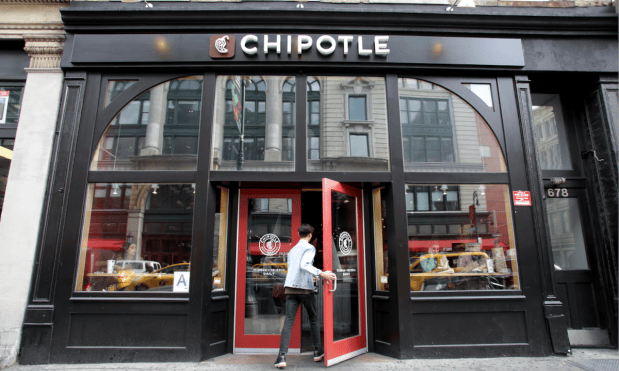
Executives from fast-casual restaurant chains Chipotle and Shake Shack said during earnings calls that the industry is being impacted as younger consumers cut back on their spending, Bloomberg reported Wednesday (Oct. 30).
The report said recent college graduates are struggling to find entry-level work in the current “low-hire, low-fire” labor market, the jobless rate for those between the ages of 25 and 34 has been rising in recent months, and wage gains for those aged 25 to 29 are around the weakest rate since 2011.
Shake Shack CEO Rob Lynch said, per the report, that unemployment among these consumers “obviously impacts” the restaurant industry.
We’d love to be your preferred source for news.
Please add us to your preferred sources list so our news, data and interviews show up in your feed. Thanks!
Chipotle CEO Scott Boatwright said, according to the report: “We believe that this trend is not unique to Chipotle and is occurring across all restaurants as well as many discretionary categories.”
It was reported in June that in-store and eCommerce purchases by younger consumers, those 18 to 24 years old, declined 13% year over year between January and April.
That report pointed to a tough job market for younger graduates, the resumption of student loan payments and rising credit card delinquencies as drivers of this trend.
“This group is struggling more than older cohorts,” Wells Fargo Economist Shannon Grein said in the June report.
The PYMNTS Intelligence report “How Do Consumers Weigh Convenience Services Against Financial Pressure? It’s About Buying Time” found the share of Gen Z consumers living paycheck to paycheck leapt from 57% in January 2023 to 69% in January 2025.
The report found that the increase put the share of Gen Z consumers living in that status higher than that of the population as a whole. Over that same two-year period, the share of all consumers in the U.S. who were living paycheck to paycheck rose from 60% to 66%.
Another PYMNTS Intelligence report, “Why Paycheck-to-Paycheck Consumers Can’t Weather a $2,000 Shock,” found that the financial pressures of inflation, high rent and debt burdens are squeezing all consumers but are hitting the youngest consumers especially hard.


 Add as Preferred Source