For a parent whose child wakes up with a red, itchy eye, the first decision used to be whether to call the pediatrician or wait until morning. Not anymore.
Now there’s another calculation. Amazon One Medical offers care for pink eye by message, with on-demand treatment starting at $29. A video visit starts at $49. At CVS, the same parent can enter an insurance card and find out whether the plan will cover a virtual visit. The price of getting medical advice can depend on where the parent clicks and whether anyone turns on a camera.
That choice has become familiar to a sizable share of Americans with private insurance. In the first three months of 2026, 18.4% of commercially insured patients in FAIR Health’s national claims data had at least one telehealth claim. From April through June, the figure was 18.3%. The numbers miss visits that patients paid for themselves, including the kind Amazon sells for a flat fee.
A late-night illness explains only part of the demand. In the second quarter, 57% of telehealth patients in the FAIR Health data received outpatient care as established patients. More than a third received psychotherapy. For many people, the appointment on the screen was with a practice they already knew. Retailers are competing for a different moment, the one when a patient has yet to decide whom to call.
Insurance complicates that decision. A patient who schedules a video appointment through Amazon One Medical can use insurance much as they would at a doctor’s office. Someone who chooses Amazon’s on-demand service pays directly. At CVS MinuteClinic, patients describe their concern and enter their insurance information. CVS checks coverage and, if the visit is ineligible, estimates what the patient will owe. Its posted cash price for most virtual visits is $89. For a family choosing between the two, the relevant comparison is Amazon’s fee against the portion of the CVS bill its insurer leaves to the patient.
People with Original Medicare have a more predictable calculation. After meeting the Part B deductible, they generally owe 20% of the approved amount for a covered visit. Medicare covers eligible appointments from home nationwide through December 2027. For people enrolled in Medicaid, the rules depend on the state, including whether coverage extends to a phone call or an exchange of messages.
Paying the patient’s share has gotten easier, too. CVS accepts ordinary payment cards as well as cards tied to health savings and flexible spending accounts. That lets patients use money they’ve already set aside for medical bills at checkout. Payments companies help providers offer that option. Stripe, for example, enables qualifying medical practices to accept those benefit cards directly.
Walmart learned firsthand how difficult it is to make money on the visit itself. The retailer closed its virtual care business in 2024, citing rising operating costs and the difficulty of getting paid enough to cover them. In October, it expanded Better Care Services, where shoppers can compare outside providers and see potential prices with and without insurance. The clinician gets the appointment. Walmart gets the customer while the choice is still open.
Amazon is using artificial intelligence to reach customers at that same point. Its Health AI assistant can explain a lab result and help book an appointment. An introductory offer gives eligible Prime members who use the assistant up to five message-based treatments with a One Medical provider at no additional charge. The offer gives families a reason to try the service, though the available claims data doesn’t show whether AI has increased the number of visits. On the clinician’s side of the screen, mental health platform Headway uses AI, with patient permission, to draft a session note that the therapist reviews and signs.
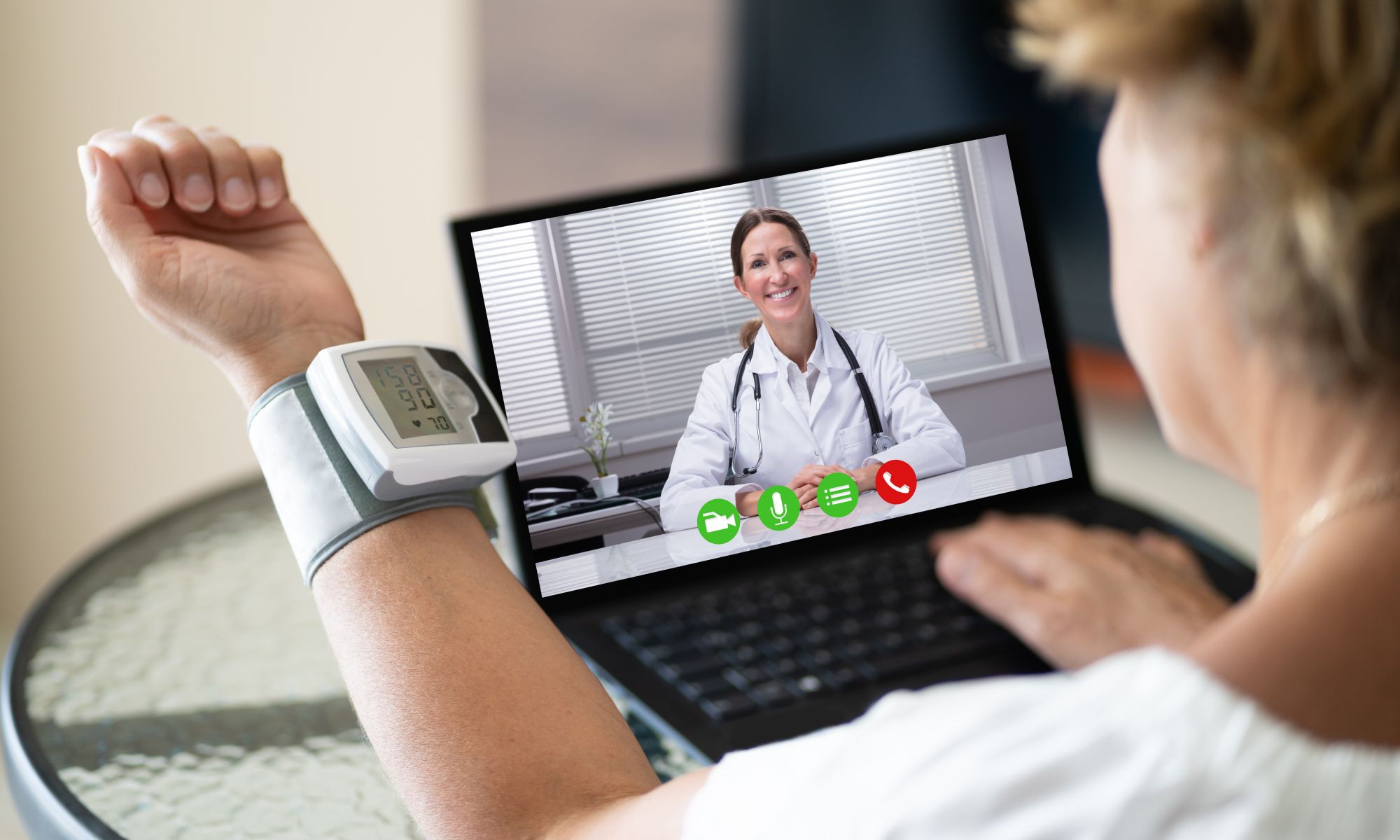
Some of the technology requires no conversation at all. A connected blood pressure cuff can send readings from home for a clinician to review between appointments, work for which providers can bill under federal guidelines. For the parent dealing with pink eye, telehealth offers a price and an answer without a trip across town. For someone managing high blood pressure, its value may be the chance for a familiar doctor to see what happens in the weeks between visits.
For all PYMNTS AI coverage, subscribe to the daily AI Newsletter.