More than 40 S&P 500 companies reported $9.6 billion in tariff refunds in the past quarter or so, with about $2.1 billion in cash already received, The Wall Street Journal reported Thursday (Aug. 13).
Some of the companies reporting the biggest refunds so far include Apple, at $2.2 billion; Nike, at $986 million; FedEx, at $800 million; Amazon, at $640 million; and General Motors, at $500 million, according to the report.
We’d love to be your preferred source for news.
Please add us to your preferred sources list so our news, data and interviews show up in your feed. Thanks!
More refunds are on the way. The total amount of tariffs that were invalidated after being collected under the International Emergency Economic Powers Act was $166 billion.
The U.S. Customs and Border Protection (CBP) accepted $129 billion in refund submissions and has sent $100 billion to Treasury for disbursement, according to the report.
The report said that many companies have received tariff refunds with “remarkable speed,” despite earlier reports that the process could be slow, and that several companies have received, or expect to receive, the full amount they requested.
Some companies have said they will share tariff refunds with customers, while other have been less clear about their plans. FedEx said that it will start disbursing its $800 million in refunds to shippers and consumers in August and that its website will enable customers to track their refunds. Amazon said it identified a “limited set of circumstances” in which it could trace tariff costs passed on to consumers and would issue refunds when it receives the cash, according to the report.
It was reported in March that CBP was developing a way to refund importers the money they paid under Trump administration tariffs that were later struck down by the Supreme Court. A CBP official said at the time in a court filing that CBP could not immediately comply with a judge’s order that it process the refunds but added that the agency was developing a way to do so.
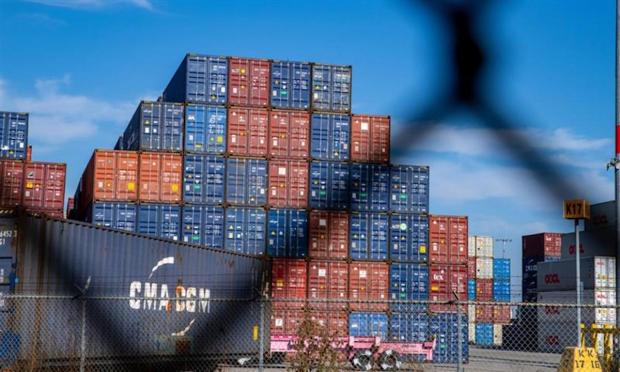
The Supreme Court struck down the tariffs in February, leaving importers, banks and retailers facing the questions of what would happen with the money that had already changed hands as well as how quickly they could adjust if new tariffs were imposed under different laws.


 Add as Preferred Source