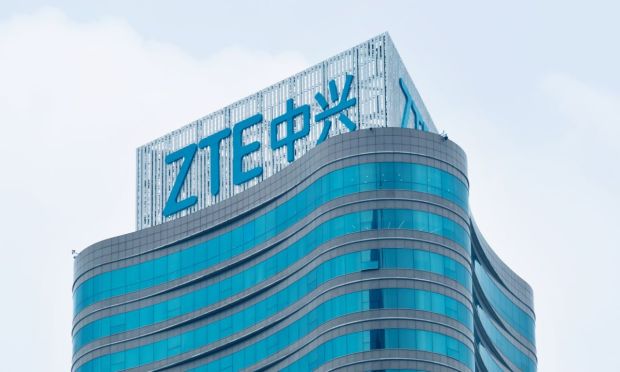
That’s according to a report Sunday (July 19) by Bloomberg News, which cited the example of ZTE’s new line of smartphones with built-in AI services, including the NaviX Ultra, which it deemed the world’s first agentic AI smartphone.
That followed another recent unveiling by StepFun, which has rolled out a device featuring a proprietary operating system and built-in agent Amoo. Honor, the smartphone company spun off from Huawei, is also showcasing an AI agent, drawing on models co-developed with Alibaba, the Bloomberg report added.
The report noted that these launches highlight a larger effort to revamp the smartphone space amid increasing memory costs, inflation and the rise of AI. In 2025, OpenAI paid $6.5 billion to acquire a design consultancy run by former Apple hardware chief Jony Ive, launching an effort to develop an AI device.
At the same time, the global smartphone market is bracing for its sharpest decline on record this year, the report added. Chinese smartphone makers have been hit especially hard, as many sell budget phones with lower margins and pricing power, Bloomberg added.
We’d love to be your preferred source for news.
Please add us to your preferred sources list so our news, data and interviews show up in your feed. Thanks!
According to findings released last week by Counterpoint Research, global smartphone sales fell to their lowest second-quarter level in 13 years as manufacturers passed the increasing cost of memory components onto shoppers.
Total shipments declined by 11% year over year in the second quarter to reach the lowest level for that three-month period since 2013. Apple, the only major smartphone maker that didn’t raise prices during the quarter, saw shipments tick up 3% amid the ongoing strength of its iPhone 17 series.
“The global memory crisis has now overtaken every other factor as the single biggest drag on the smartphone industry,” Counterpoint Research Senior Analyst Shilpi Jain said in a news release. “What started as a components issue last year is now a full-blown demand issue.”
Meanwhile, PYMNTS wrote last week about the challenges of introducing AI-powered hardware devices. That report cited the example of Humane, which launched the AI Pin in April 2024 at $699 and discontinued it entirely less than a year later, with returns surpassing purchases between May and August 2024.
Rabbit R1 sold 100,000 units following its unveiling at CES 2024 and faced extensive criticism after the finished product failed to match many of its demonstrations.
“Both products highlighted how difficult it is to convince consumers to adopt a new AI hardware category,” PYMNTS wrote.
For all PYMNTS AI coverage, subscribe to the daily AI Newsletter.


 Add as Preferred Source