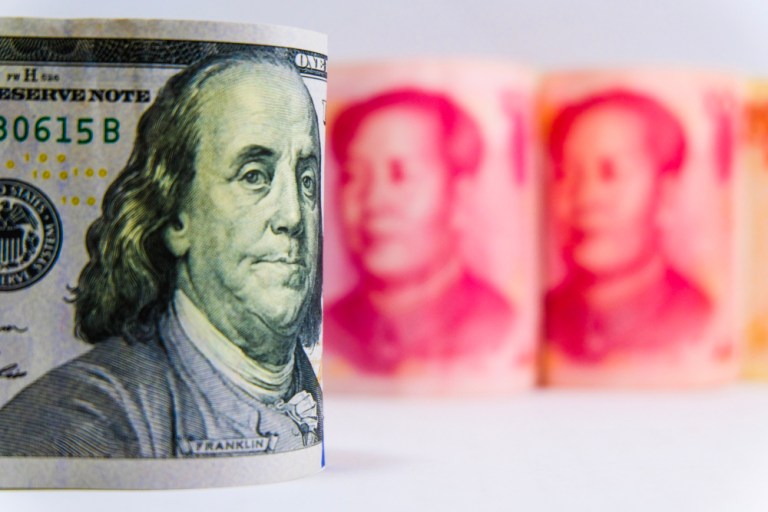
With trade tensions continuing between the U.S. and China, analysts are finding a shift among global supply chains away from the Chinese market, to the benefit of markets that traditionally don’t see much trade volume.
Reports in The Wall Street Journal on Thursday (Dec. 13) said the U.S.-China trade dispute has intensified the existing trend of companies diversifying their supply chains to reduce reliance on China, allowing for other markets to benefit from increased trade activity.
“The truth is that even before the trade wars, there was an exodus of capital out of China and into lower labor-cost countries,” said UBS Wealth Management Chief Investment Officer Jorge Mariscal in an interview with the publication, which pointed to Vietnam, Indonesia and the Philippines as new targets for supply chains looking to move away from China.
Steve Madden is one retailer that publicly announced its efforts to move its supply chain operations out of China. The company is “aggressively shifting production out of China to other countries, primarily Cambodia,” said the firm’s CEO Edward Rosenfeld during a conference call earlier this year. The company plans to produce as much as half of its goods currently affected by China trade tariffs outside the market, according to reports.
Bank of America and Citigroup have also revealed that their corporate clients are making changes to reduce their supply chains’ exposure in China, detailing how financial service providers may also benefit from this trend as they enhance their advisory and lending services to corporate customers.
“We’re able to work with the clients on areas of trade and vendor finance, and supply chain financing,” Citigroup Chief Financial Officer John Gerspach said last week, according to reports.
Advertisement: Scroll to Continue
Logistics providers are also in a position to “capitalize on the disruption,” reports said, with companies including Hong Kong’s Li & Fung and Kerry Logistics Network similarly working to reduce their dependence on China and ramp up operations elsewhere.