One of the most stressful situations for holiday shoppers is opening the door to find nothing there after a tracking page says the package was delivered. Ashley Hillman knows the feeling firsthand. A pair of pajamas she ordered for her kids’ Santa photos never showed up. The package was lost somewhere inside a carrier facility, and she found out only when she reached out to the brand.
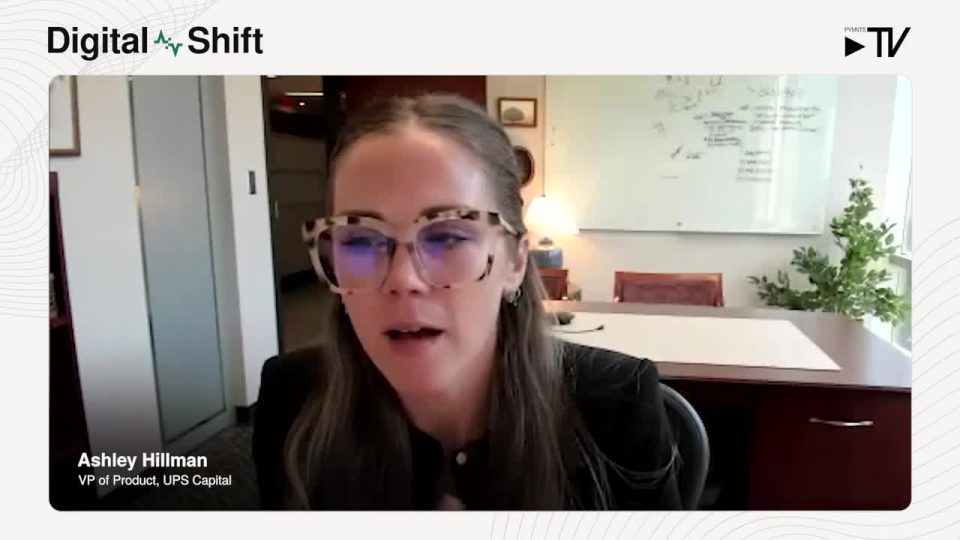
“That’s the most stressful experience a consumer can have,” said Hillman, vice president of product at UPS Capital. “You say it was delivered, the carrier said it was delivered, but it’s not here. What happens?”
More than a third of consumers cite a package marked delivered that they can’t find as their most stressful holiday shipping experience, according to UPS Capital survey data. Retailers who get it wrong pay twice: 60% of consumers said a bad shipping experience would keep them from shopping with that retailer again, while 25% said they’d tell someone else about it. UPS Capital, the financial services arm of UPS, is betting AI can help retailers see those failures coming before a package ships.
Retailers Still Think Shipping Isn’t Their Problem
Many retailers draw a mental line at checkout, Hillman said, treating anything after a package leaves the warehouse as the carrier’s job. “In the retailer’s mind, they might think, I’m not doing this, it’s a carrier who’s delivering this package,” she said. “But the consumers don’t feel that way. They blame the brands.”
That gap matters more at the holidays, when a late gift carries more weight than an ordinary purchase. Hillman’s own pajamas illustrate it: the retailer had refunded her weeks earlier without telling her, leaving her to scramble for a replacement outfit days before the shoot. “If they had just made it clear to me and told me up front, I would’ve done a replacement,” she said. “Speed of communication, and then speed of response, is so important, especially during the holidays.”
UPS Capital’s survey backs that up. Sixty-one percent said they’d trust a retailer more if a missing package were replaced in time. But there’s no single right fix. Asked what they wanted, consumers split almost evenly four ways: overnight a replacement, send one to a new location, let them pick one up elsewhere or refund immediately.
We’d love to be your preferred source for news.
Please add us to your preferred sources list so our news, data and interviews show up in your feed. Thanks!
UPS Capital Builds a Predictive Score From UPS Delivery Data
To get ahead of those failures, UPS Capital recently launched CommerceShield, which runs large language models against two years of UPS shipping data to predict whether a delivery will succeed. That data covers more than 26 billion delivery touchpoints across more than 150 million U.S. addresses.
That delivery score is just the start. UPS Capital pairs it with other signals, including the device or VPN a shopper uses and the email tied to an order, to produce what Hillman calls a “multi-signal super score.” Retailers can drill into the sub-scores behind it, such as delivery or digital identity risk, and attach actions to each: requiring a signature, routing a risky delivery to a staffed pickup point, or applying chargeback protection to a suspicious transaction.
“It’s a really cool score that helps predict that loss in the first place,” Hillman said. “And then it’s an orchestration platform that allows you to pair that score with actions.”
Shipping Protection at Checkout Is Becoming a Trust Signal
Retailers have long hesitated to offer shipping protection at checkout, worried shoppers will see it as a hidden fee. UPS Capital’s data suggests that fear is overblown. Only 10% of consumers surveyed called it a hidden fee. More than half said the opposite: offering it signals accountability for what happens after purchase.
It doesn’t appear to cost sales, either. More than half said they’d be more likely to shop with a retailer offering it, and just 6% said they’d never use it. Two-thirds called it extremely or very important.
For retailers, protection also changes response speed. Knowing a shipment is covered, Hillman said, lets a brand ship a replacement or refund immediately and settle the carrier claim afterward, rather than waiting on it first.
Hillman doesn’t expect this season to look fundamentally different, just busier. What she hopes changes is how merchants respond. She wants them using AI tools to automate decisions on risky orders in real time instead of evaluating each one by hand. Manual review becomes a bottleneck once holiday volume spikes. “I hope they’re using tools to help them establish that trust,” she said.

 Add as Preferred Source