

The Federal Trade Commission and 20 states sued Dollar General Monday (Oct. 26), alleging that the retailer routinely overcharges customers and has done so for years. The complaint alleged that Dollar General routinely charges customers more at the register than the prices displayed on shelves,...

A federal appeals court has upheld a lower court ruling striking down the Federal Reserve’s 21-cent cap on debit card interchange fees. This latest decision was handed down Monday (Oct. 26) by a three-judge panel of the 8th U.S. Circuit Court of Appeals, affirming a...

New York City businesses could face an expansion of private litigation over unfair, deceptive and abusive practices under proposed legislation that would reach beyond financial services. The POWER Act, short for People and Organizations Winning Economic Relief, would create a broad private right of action...

FinTech company Sezzle has begun the formal charter application process to establish a national bank that would offer a broad range of banking products and services, the company said in a Thursday (Oct. 22) press release. Sezzle filed applications with the Office of the Comptroller of the...

Rhode Island Attorney General Peter F. Neronha sued Meta Thursday (Oct. 22), alleging that the company fails to block advertisements for fraudulent products and financial scams on its platforms, Neronha said in a press release. The lawsuit alleged that Meta knows “that scam ads cause...

Launching a FinTech often starts with a simple plan. Get the right state licenses, team up with a bank and start moving money. But success brings a new problem. Once a company adds overseas customers, large business clients or cryptocurrency services, that early setup can...

Meta’s chief legal officer said Wednesday (Oct. 21) that it is “all but impossible to do business” in New Mexico after a court ordered the company to pay $25 billion in a case brought by the state’s attorney general. The case brought by New Mexico...

The Office of the Comptroller of the Currency (OCC) has finalized rules governing stablecoin issuers under its jurisdiction, establishing standards for reserves, redemption, custody and risk management ahead of a January deadline. The rule, issued Wednesday (Oct. 21), translates the GENIUS Act’s requirements into a...
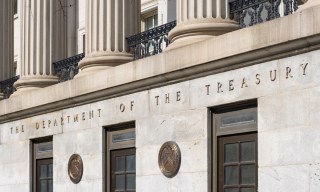
Treasury’s effort to regulate payment stablecoins hinges on questions on when a coin has actually been issued, who issued it and how a stablecoin created outside the country can legally reach a customer in the United States. The department’s proposed rule, published Aug. 18, would...