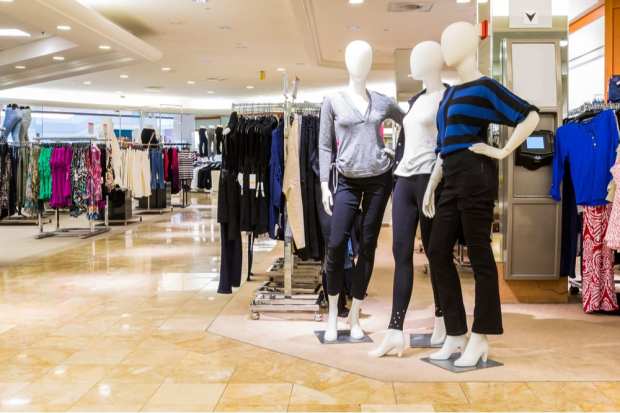
This compounds on the issues these types of stores already faced before the pandemic, CNBC reported, citing a data from S&P Global Market Intelligence. In recent years, even stores like Macy’s and JCPenney that were once giants have struggled to remain relevant in the new eCommerce age.
Now, with the coronavirus, these stores have a 42.1 percent chance of defaulting on their debts within the next year.
Hotels and cruise lines are next on the list, with a 37 percent chance as the coronavirus has effectively eliminated the industry for the time being.
Tires and rubber facilities (36.6 percent) and leisure facilities (34.3 percent) were also highly likely to default, the survey said.
On the opposite end of the scale, soft drink makers had only a 1.2 percent chance of defaulting, and brewers, household appliance makers and distillers also had a relatively low chance of being in serious trouble.
The coronavirus has forced non-essential businesses, or mostly any business not selling food or medical products, to close facilities, which has led to layoffs and financial problems. Nordstrom said it could face distressed fiscal conditions due to the virus’ effects, and Macy’s market cap has dropped to around $2.1 billion from $6 billion in February.
The department stores have not fared well on Wall Street, either. Macy’s shares have fallen 64 percent this year, JCPenney’s have fallen by almost 70 percent, Kohl’s by 62 percent, and Nordstrom’s have fallen by 50 percent.
But these dismal numbers are only a furthering of the trouble department stores were in as of the last holiday season, during which sales fell 1.8 percent. Many brands found in these stores, such as Nike, Levi Strauss and Kate Spade, have moved to selling online or more directly to customers, cutting out the middleman.