Set to launch this fall, the Intelligent Eyewear frame “combines Warby Parker’s distinctive approach to design with Google’s leadership in AI and Samsung’s mobile leadership,” the company said in a Tuesday (May 19) news release.
“Glasses are the most personal technology we use, and are the very first thing people notice about you,” said Dave Gilboa, Warby Parker’s co-founder and co-CEO. “As we integrate advanced technology into our products, we’re staying true to the principles that define great eyewear: beautiful design, precision optics, and exceptional comfort in frames built for all-day, everyday wear.”
We’d love to be your preferred source for news.
Please add us to your preferred sources list so our news, data and interviews show up in your feed. Thanks!
The news comes one year after Google announced its partnership with Warby Parker to create extended reality (XR) glasses. The goal is for these glasses to become an ever-present artificial (AI) assistant, as they’re designed to be worn all day.
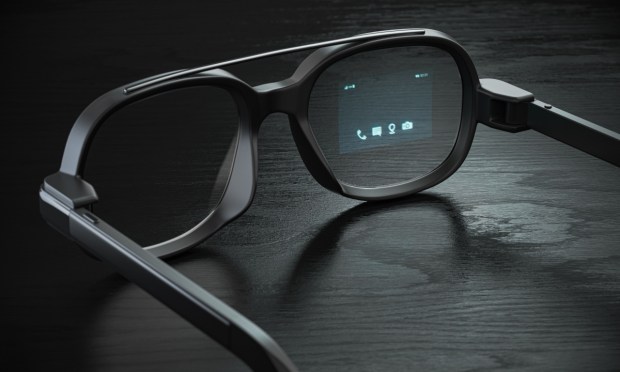
Built in partnership with Google and Samsung, the frames let wearers access information, manage daily tasks, navigate their surroundings and interact with the apps they use each day, the release added.
“These glasses give you powerful new tools, but they’re designed to feel intuitive and unobtrusive so you can stay focused on the people and moments in front of you,” said Neil Blumenthal, co-founder and co-CEO of Warby Parker. “Every detail and curve was considered for extended, everyday use, from the fit and balance of the frame to enhanced grip and stability.”
As PYMNTS wrote last month, the tech world seems heavily invested in making augmented reality (AR) smart glasses a reality, “no matter the Google Glass graveyard, Apple Vision Pro pivot or Meta’s failed metaverse roadmap.”
Google is also working with Gucci on a wearable smart device, Meta and eyewear maker EssilorLuxottica were considering doubling their capacity to produce Ray-Ban Meta smart glasses, and companies ranging from Amazon to Xiaomi have glasses projects in the works.
One thing that’s changed, the report added, is the advent of AI, with companies arguing that the real breakthrough is the intelligence woven into the glasses, not the glasses themselves.
“But AI does not eliminate the need for a clear use case. It enhances interactions, but it does not define them,” PYMNTS added. “The question of why a user should wear AR glasses for hours each day, rather than pull out a smartphone when needed, remains open.”


 Add as Preferred Source