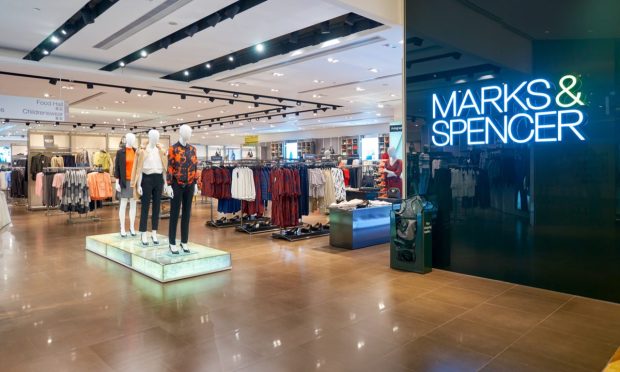
Marks and Spencer has returned to its perch atop the U.K. retail landscape, in the process pushing its value to more than upstart fast-fashion retailer Boohoo and online rival Asos combined, two years after Boohoo found itself at the top of the heap for what turned out to be a short stay, the Financial Times (FT) reported.
Marks and Spencer has upgraded its profit forecasts twice in the past year, and Clive Black, analyst at house broker Shore Capital, said in the report it may do so again when it updates investors this week.
Share prices for Marks and Spencer rose by three-quarters in 2021, while Boohoo shares dropped by two-thirds in the same time, the report stated. Asos has lost more than half of its market value as well as its CEO.
We’d love to be your preferred source for news.
Please add us to your preferred sources list so our news, data and interviews show up in your feed. Thanks!
Kate Calvert, retail analyst at Investec, told FT that heavy restructuring at Marks and Spencer helped to boost its stock price. The retailer closed stores, cut corporate office jobs and removed levels of store management.
“In difficult times, you make bigger and bolder decisions,” she said, per the report. “… They also learned how to do online more efficiently within their own business.”
Around 34% of M&S clothing is now sold online, up from 22% before the start of the pandemic.
That’s not to say there aren’t some issues across the U.K. retail scene, as staff shortages related to the ongoing spread of the omicron variant could cost merchants there $48 billion in January and February, a number that would represent 8.8% of the gross domestic product (GDP) based on government planning assumptions of a 25% absenteeism rate.
Read more: UK Omicron Staffing Issues Could Lead to $48B in Output Losses
The Centre for Economics and Business Research said U.K. retailers could make up for the sluggish start to 2022 during the rest of the year. PYMNTS wrote in December that the U.K. had seen less sales during Christmas weekend than usual because of the omicron variant, a 45% decrease.


 Add as Preferred Source