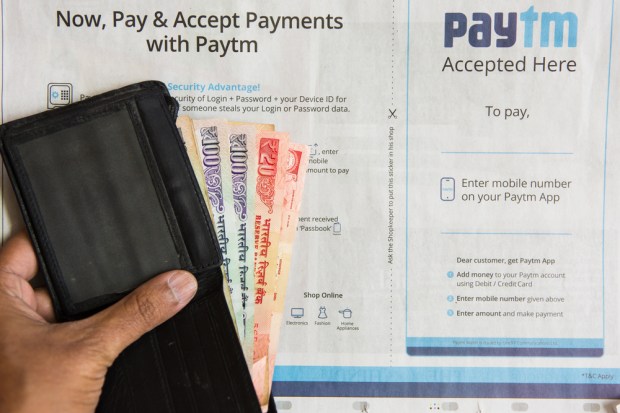
Paytm, an India-based ePayments and eCommerce conglomerate that typically focuses on B2C payments, is launching a new feature geared toward employee payments and corporate cash management.
The company announced Food Wallet on Monday (April 17) as a way to help businesses pass on food allowance to their workers under the federal tax-redemption bracket. The solution provides an interface for employees to view updated balances and find food vendors nearby, including office cafeterias as well as both physical and online food merchants, including major chains or independent sellers.
We’d love to be your preferred source for news.
Please add us to your preferred sources list so our news, data and interviews show up in your feed. Thanks!
Companies transfer funds into their employees’ Food Wallets, Paytm explained, enabling a more streamlined employee spend management solution that does not require physical coupons or cards.
“Paytm Food Wallet will revolutionize the traditional meal voucher space and will benefit all stakeholders — employers, employees and food retailers,” said Paytm Senior Vice President Kiran Vasireddy in a statement. “Corporate employees can now pay for their food and beverages using their mobile on the go and keep track of all payments made on the app. This will offer great convenience when compared to the traditional instruments like paper vouchers and will have tax benefits, too.”
According to Paytm, Food Wallet could potentially reach 6 million employees that must manually manage food voucher claims with employers every year. The company also noted that the initiative is part of India’s broader efforts to reduce dependence on cash transactions, as well as ongoing tax reform.


 Add as Preferred Source