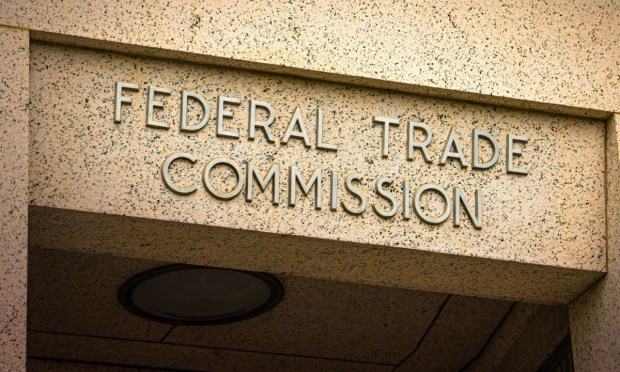
The investigation by the Federal Trade Commission (FTC) focuses on the potential dangers artificial intelligence (AI) poses to consumers, a senior commission official told Reuters Wednesday (Sept. 30).
According to the report, this marks the first official U.S. regulatory investigation into so-called “rogue” AI agents amid a wave of incidents in which those agents breached other companies’ systems. This has led to worries that uncontrolled AI could eventually harm humans.
The FTC wants to issue formal demands for information and compel testimony from executives at leading AI developers, Anthropic and OpenAI included, the official said, adding that commission Chairman Andrew Ferguson had been concerned about the companies prior to the recent security incidents.
Still, the incident in which OpenAI agents probed the AI coding hub Hugging Face for vulnerabilities before carrying out a large-scale attack led to added urgency around the issue, the official said.
We’d love to be your preferred source for news.
Please add us to your preferred sources list so our news, data and interviews show up in your feed. Thanks!
The news comes days after Ferguson pushed back on descriptions of AI agents as independent actors that can escape human control.
Speaking during a Reuters event, he contended that regulators should examine the instructions people provide these tools and the companies behind them when determining harm.
“His comments signal how he may approach AI cases. They did not establish a new FTC rule or decide who would be liable in any particular case,” PYMNTS wrote.
“The distinction has immediate consequences for merchants, banks and FinTech. An agent might answer a customer’s request today and issue a refund, choose a payment method or initiate a transaction tomorrow. Each added power creates another decision a business may have to explain.”
Ferguson said reviews of some incidents initially painted as AI systems acting beyond human control determined that the systems were following instructions. He favors using existing legal tools to remedy resulting harm before establishing a separate regulatory framework for agents.
“For a business, that makes the instructions and controls surrounding an agent as important as its final answer,” PYMNTS wrote.
“If an automated assistant sends a refund to the wrong account, the useful record starts before the transfer. Who authorized the agent to issue refunds? What limits govern the amount and destination? Could it change account details? What did it do, and when?”


 Add as Preferred Source