The tepid reaction to the iPhone 8 has been a share price-killer for Apple. The world’s largest tech company has shed $50 billion from its market cap since it revealed its upcoming product lines, according to an analysis of FactSet data by CNBC.
That $50 billion is larger than the entire market value of eBay, Target or Ford.
Now, before running out to throw a fundraiser — it is worth noting that Apple’s market cap is still around $780 billion, making it the biggest company on Earth (about $100 billion more than second runner up Google/Alphabet). But Apple’s price keeps dipping — stocks closed down another full percent on Friday and ended the week 5 percent down.
Gene Munster, an investor at Loup Ventures and a former top Apple analyst, has said that Apple’s shares could see a 5 to 10 percent pullback after the release of the latest iPhones, even if the products were well-received.
We’d love to be your preferred source for news.
Please add us to your preferred sources list so our news, data and interviews show up in your feed. Thanks!
“The simple reason is this: The stock’s up 50-plus percent in the past year because investors have been anticipating the return to growth of the iPhone. As soon as that product comes out, people are going to shift their focus to the March and June quarters of next year. That’s when the iPhone cycles are made or missed,” Munster told CNBC earlier this month. “So there’s naturally going to be some people taking some profits.”
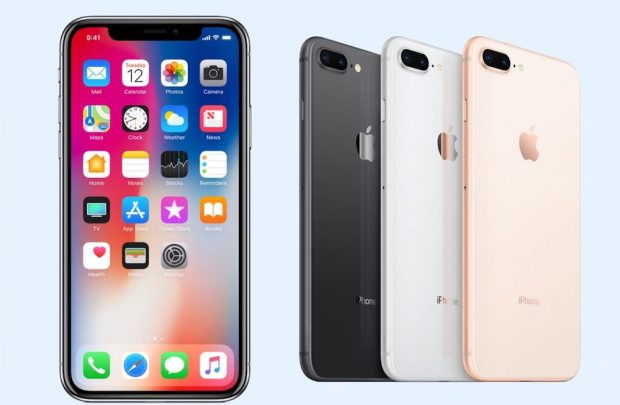
Plus, some experts have noted, the sluggish sales of the iPhone 8 might point to some good news for Apple: people are holding out to purchase the $1,000 iPhone X.
“From a financial standpoint, that’s the best outcome, because the more expensive, higher-margin model would boost revenue and profits,” noted Katy Huberty, an analyst with Morgan Stanley.
And, noted other analysts, the double release has created an odd situation for Apple fans, who now have to make a choice they have never had to.
“The iPhone 8 and 8 Plus are in a weird situation,” said Neil Cybart, who runs Above Avalon, a site dedicated to Apple analysis. “It’s not clear who the target market is for those two phones.”
Worldwide, however, the market for the iPhone 8 and 8 plus is a bit clearer, as Chinese consumers have shown some early preference for the 8 over the X.
“The new features of the iPhone X are fresh, but not attractive enough for me to hold the feeling that I have to own it whatsoever,” said Yang Zheng, a 30-year-old working in the education industry who paid $1,200 for his iPhone 8 Plus (that phone starts at $799 in the U.S. but costs more in China because of a value-added tax).


 Add as Preferred Source