Artificial intelligence (AI) firms have reportedly begun offering “AI-in-a-box” tools for companies to run in-house.
It’s a trend that presents a threat to the AI cloud computing business of Chinese tech giants like Alibaba, Tencent and Baidu, the Financial Times (FT) reported Saturday (May 18).
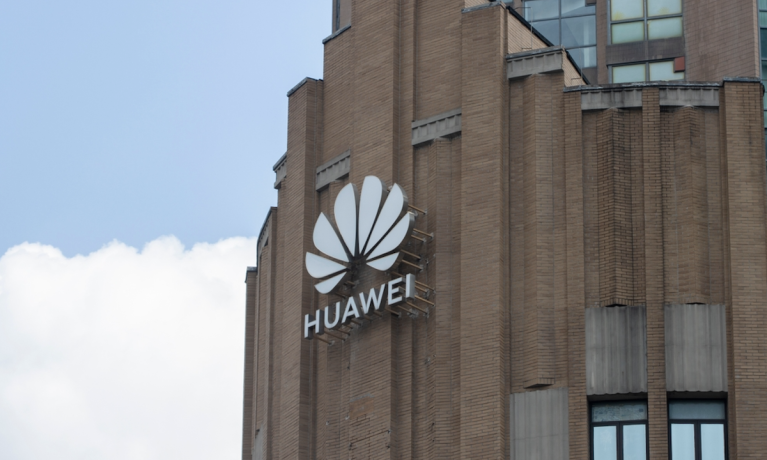
According to the report, among the firms in question is Huawei, which has gotten more than a dozen AI start-ups to bundle and market their large language models with its AI processors and other hardware.
Huawei estimates the Chinese market for “all-in-one machines,” as they are known in the country, will reach $2.3bn this year. Analysts at Minsheng Securities project the government market for AI boxes could reach $62 billion by 2027.
Dylan Patel, chief analyst at research group SemiAnalysis, said that although some Chinese companies may want on-premises artificial intelligence, it would not be as efficient as using a public cloud or employing APIs to connect to large language models.
“Usage is going to be very sporadic, which means you’re going to have all this very expensive AI hardware that is not utilized properly,” he said.
Advertisement: Scroll to Continue
The FT report notes that this trend marks a sharp contrast to how AI is being commercialized in western countries, and capitalizes on data protection fears at Chinese companies.
According to the report, research notes from Chinese investment banks have played up security lapses among western AI companies, like when OpenAI’s ChatGPT accidentally unveiled users’ search histories or Samsung employees alleged leak of trade secrets to the chatbot.
“Organizations need to be able to protect their data, and building a private cloud is the way to prevent leaking valuable data,” Liu Qingfeng, founder of language specialist iFlytek, told potential customers.
Baidu earlier this month posted better-than-expected results for the first quarter, with its investment in AI helping to offset softer online advertising sales. Revenue from its core business, which includes its flagship search engine and AI initiatives, climbed 4% to 23.8 billion yuan, while revenue for the company’s AI Cloud unit rose 6%.
“As a new era of Gen-AI unfolds in China, foundation models like ERNIE will serve as the underlying infrastructure,” Robin Li, Baidu’s co-founder and CEO, said in a news release.
The company has also been expanding its ERNIE family of large language models, aiming to make the technology more affordable and efficient.