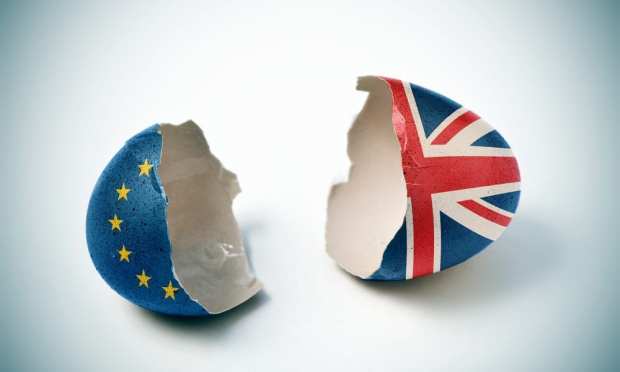
It wound up being no deal for a no-deal Brexit.
As widely reported this week, the U.K. Parliament gave a thumbs down, on Tuesday (March 12), to a Brexit-with-a-deal, which Prime Minister Theresa May helped negotiate with the European Union (EU). A second “no” said the U.K. would not join the EU on March 29 under a “no deal” scenario.
The Wall Street Journal (WSJ) noted that confusion now ensues, in part, because May said the U.K. and EU laws dictate that Britain have an exit anyway, “unless parliament figures out what it wants.”
The Wednesday (March 13) vote came amid maneuvering in parliament that offered an amendment to May’s proposed Brexit, which effectively short-circuited a no-deal Brexit, and was embraced by a vote of 321 to 278. The upside is that a chaotic separation is not likely in the works — now, the “worst-case scenario,” as described by the WSJ, is not in the offing. Though perhaps not probable, it is still possible, as the EU members (there are 27 of them) need to agree to extend the deadline beyond the end of the month, then a new deal must be approved.
The political back-and-forth means that May’s proposal may resurface in the next several days (marking what would be a third vote on that proposal), with a motion asking for an extension on Brexit until June. According to the WSJ, a delayed Brexit, tied to a deal, means Britain may have closer ties in place with the EU than might have been otherwise thought. There may even be a second Brexit referendum.
In reference to trade and economic concerns, amid what would be termed as a “sudden break” with the continent, the U.K. Department for International Trade said on Wednesday that the intent is to eliminate almost all tariffs on goods imported into the U.K. There would also not be checks or duties levied on goods imported into Northern Ireland, said the publication.