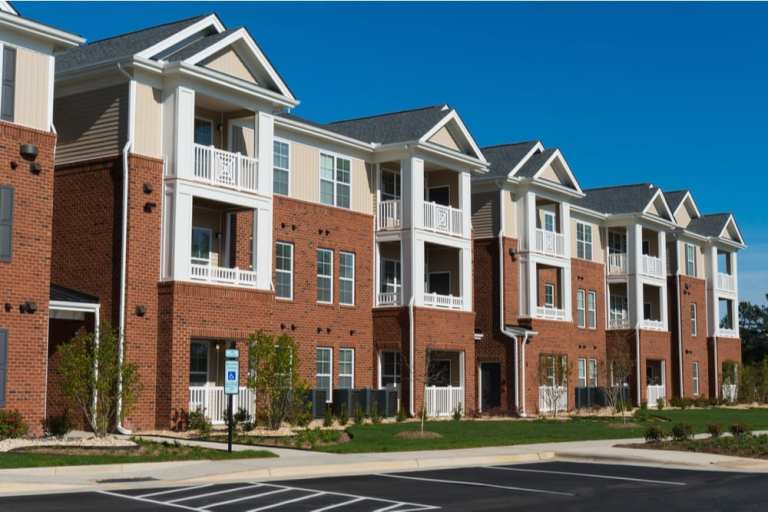
Amid decreasing consumer confidence and increasing job losses, the economic impacts of the coronavirus continue to build. While 91.5 percent of renters in buildings that are professionally managed made payments in full or in part as of April 26, 95.6 percent made payments during the same period last year, per the National Multifamily Housing Council, CNBC reported.
NMHC President Doug Bibby said, per the report, “It is encouraging that apartment residents continue to meet their rent obligations, whether that’s with the support of the federal relief funds, credit cards [or] alternative, flexible options provided by the industry’s owners and operators.”
Bibby continued, “But their financial security is unclear, as many may not qualify for federal relief, while others are drawing down savings and facing greater financial challenges, including higher healthcare costs.”
A government bailout plan doesn’t exist for renters, although landlords for single- and multi-family properties are providing temporary decreases in rent and repayment plans as they aim to work with their tenants.
Willy Walker, the CEO of commercial lender Walker & Dunlop, said per the report that his people are communicating with apartment owners and operators each day. He noted that only 1 percent of owners had requested assistance on their commercial loans, yet he is a pragmatist.
“One of the big things that many of our borrowers are doing is going out, talking to their tenants and anyone who does have a need for rental forbearance … they’re putting in repayment plans,” he said. “Quite honestly, it’s a waiting game to see what May and June and July rent [rolls] look like, as it relates to how many loans come to us for forbearance and then what defaults look like come September, October, November.”
Advertisement: Scroll to Continue
In separate news, another 3.8 million Americans filed jobless claims for the week that ended on April 25, per a report from the U.S. Labor Department on Thursday (April 30), as the coronavirus continues taking its toll on the country’s economy.