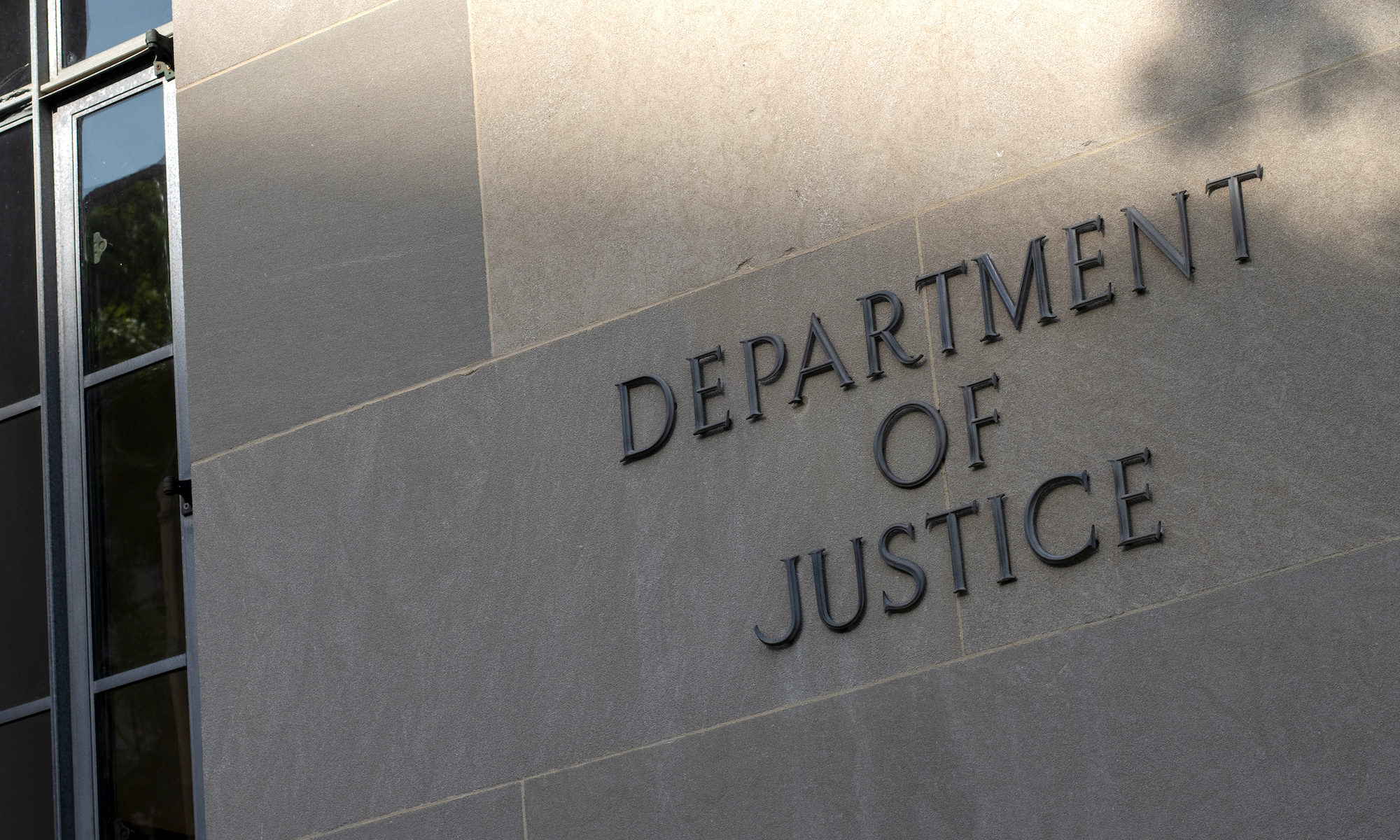
That’s according to a report Monday (Nov. 16) from Reuters, citing two sources familiar with the matter. DoorDash announced its intent to acquire Instacart last month in a $17 billion deal.
“We can affirm that the Department under President (Donald) Trump’s leadership will continue to prioritize affordability and competition for Americans across our economy,” a Justice Department spokesperson told Reuters, while declining to comment specifically on the deal.
PYMNTS has contacted DoorDash and Instacart for comment but has not yet received a reply.
As Reuters noted, large mergers and acquisitions in the U.S. must be reviewed by either the Justice Department or Federal Trade Commission for in case of competition concerns, though the regulators approve most deals without changes.
If a deal does present competition problems, authorities can negotiate settlements that include the sale of portions of a business, or go to court to halt the purchase.
States such as New York and California also have authority to challenge mergers and acquisitions due to antitrust concerns, the report said. DoorDash has agreed to pay Instacart $1.25 billion if the deal does not pass regulatory review, Reuters added.
In announcing the deal last month, DoorDash said the acquisition will create a combined entity offering grocers and retailers access to its delivery network and Instacart’s grocery and fulfillment technology.
“Grocery is one of the hardest things to get right online. Someone has to pick a ripe avocado, find a substitute you’d choose yourself, and get the ice cream to you before it melts,” said Tony Xu, co-founder and CEO of DoorDash. “Instacart has spent years learning to do that well for grocers, while DoorDash has built a delivery network and technology that local stores rely on every day.”
PYMNTS Intelligence data, from the report “The New Checkout: Crimped Consumers Lean Into Online Retail and Digital Wallets,” has found that online grocery shopping appeals to consumers under pressure, who were 6 percentage points more likely than their lower-stress counterparts to buy their groceries using digital channels.
The research indicates that “digital discounts and greater budget control could contribute to that difference,” PYMNTS wrote last month. “Convenience could also play a role for people with limited time to visit a store. The findings don’t establish which explanation carries the most weight.”