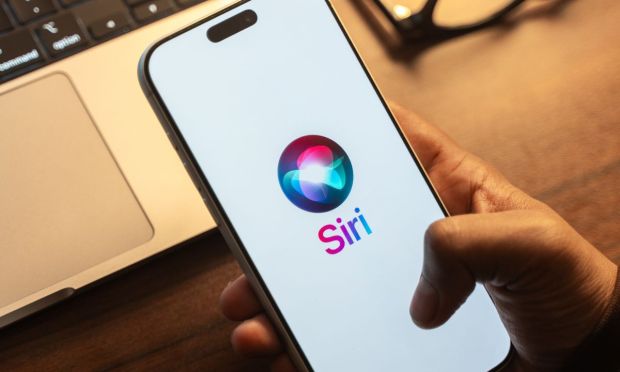
Apple’s push to repair Siri could open an important new revenue channel for publishers and establish a different model for how artificial intelligence companies pay for news. Instead of buying broad access to a publisher’s archives, Apple is considering compensating media companies when Siri actually uses their content.
Apple has approached publishers in recent months about multiyear agreements that would give the company access to current news and information, The Wall Street Journal reported Wednesday (Aug. 12), citing people familiar with the discussions. The content would help power an AI-enhanced version of Siri expected to arrive later this year.
The proposed payment structure distinguishes the talks from many existing licensing deals between AI companies and news organizations. Those agreements typically provide publishers with guaranteed fees in exchange for broad access to their content. Apple, by contrast, has discussed a variable model that would tie compensation to usage.
We’d love to be your preferred source for news.
Please add us to your preferred sources list so our news, data and interviews show up in your feed. Thanks!
“The company has discussed a possible nine-figure budget for the payments,” the Journal reported, citing people familiar with the talks.
That approach could give publishers greater visibility into how often an AI service relies on their reporting. It could also help Apple secure timely, professionally produced information as it tries to make Siri more useful. Apple declined to comment to the Journal.
The company has paid publishers for content before. Earlier agreements included AI training rights, according to the report. Apple also began working with publishers on its Apple News+ subscription service in 2019. Some publishers have since left the service, although the arrangements have generated meaningful revenue for several news and magazine companies.
The Wall Street Journal was among the first publishers to join Apple News+. News Corp, the Journal’s parent company, has a commercial agreement to provide news through Apple services.
Accuracy remains a central concern. Apple experimented with AI-generated news summaries in late 2024, but the feature produced inaccurate headlines and prompted complaints from publishers. Apple quickly disabled it.
The new talks suggest Apple may address that problem by placing trusted publisher content closer to Siri’s answers. For media companies, the commercial implications extend beyond one voice assistant. A usage-based agreement with Apple could become a reference point as publishers negotiate how their work is distributed, credited and compensated across AI services.


 Add as Preferred Source