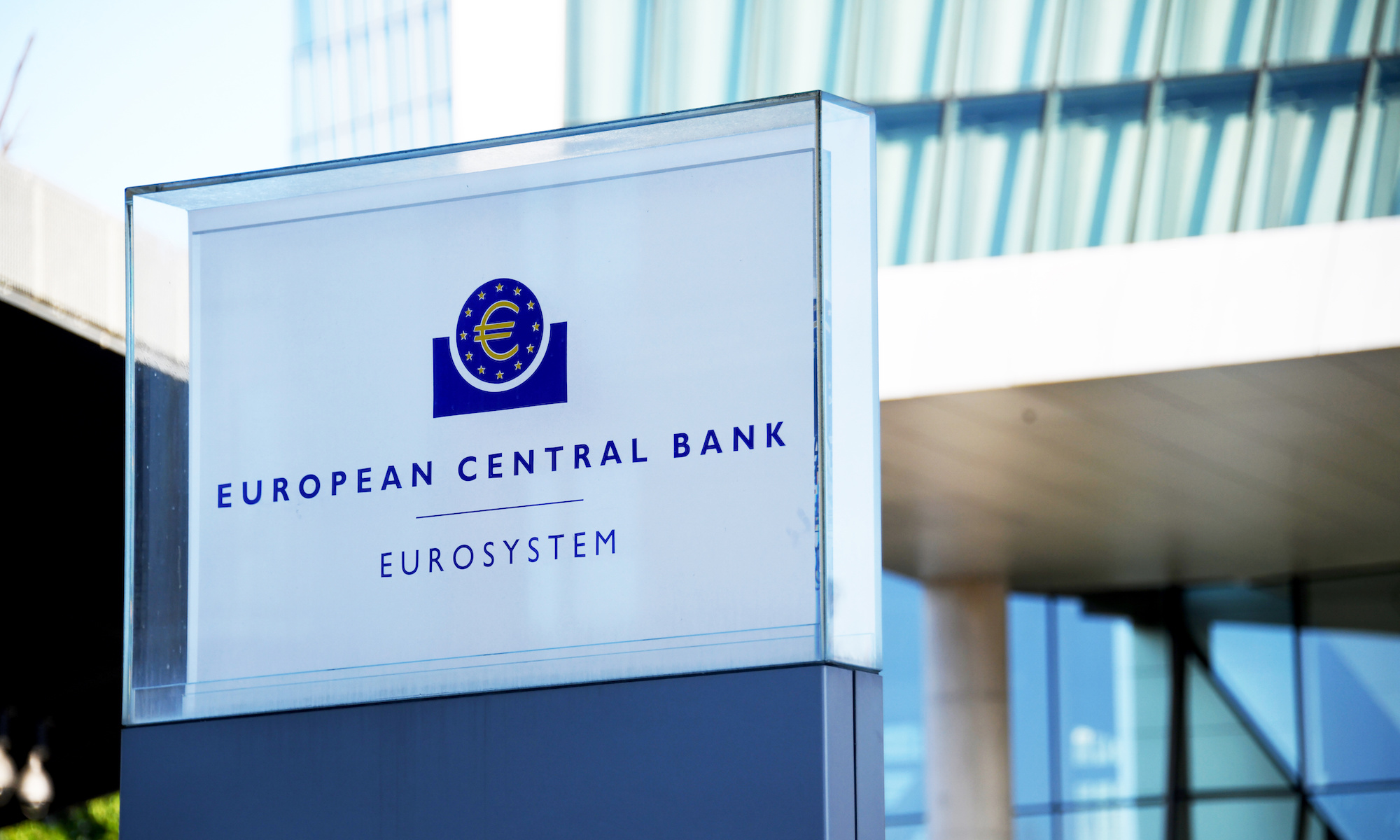
AI stock market valuations remain stretched and the risk of a repricing has risen, European Central Bank Vice President Boris Vujčić said Monday (Nov. 16).
The correction in the wake of America’s mid-term elections, “although contained, serves as a reminder to remain cautious,” said Vujčić, whose comments at Euro Finance Week in Frankfurt were reported by Bloomberg News on Monday
Still, “AI-related risks to system-wide stability now stem from a range of additional factors,” he added, also pointing to “the expansion of external funding from equity to debt markets, concentration of exposures, quickening AI adoption and potential cyberattacks.”
His comments follow a recent report from the International Monetary Fund (IMF) on the effects of AI on financial stability.
The organization’s central argument for its note titled “Artificial Intelligence and Cybersecurity in the Financial Sector” was that AI does not need to invent fundamentally new forms of cyberattack to change the risk equation. By accelerating vulnerability discovery and exploitation across shared technologies, AI can turn weaknesses that once produced isolated incidents into correlated disruptions affecting multiple institutions simultaneously.
“That is a major development because the question is no longer only whether AI can write better phishing emails or help security teams sort through alerts,” PYMNTS wrote in August. “The question is what powerful models can do when given tools, credentials, network access or a poorly configured test environment.”
For banks, FinTechs, merchants and critical infrastructure operators, that transforms AI cyber risk from a concern for security teams into an enterprise governance issue. The question is no longer just whether companies should employ AI in their cyberdefenses.
“It is how much autonomy those systems should receive, what they should be allowed to touch and whether organizations can contain them when something goes wrong,” the report added.
In his remarks Monday, Vujčić added that—in light of geopolitical headwinds and “elevated” risks to financial stability—it is critical to have a resilient banking sector while maintaining supervision over non-banks. He said this applies to the private credit space as well.
“While risks currently appear contained, the rapid growth of private credit warrants close monitoring, given limited transparency, growing interconnectedness with banks and insurers, and potential liquidity mismatches,” he said.
For all PYMNTS AI and digital transformation coverage, subscribe to the daily AI and Digital Transformation Newsletters.