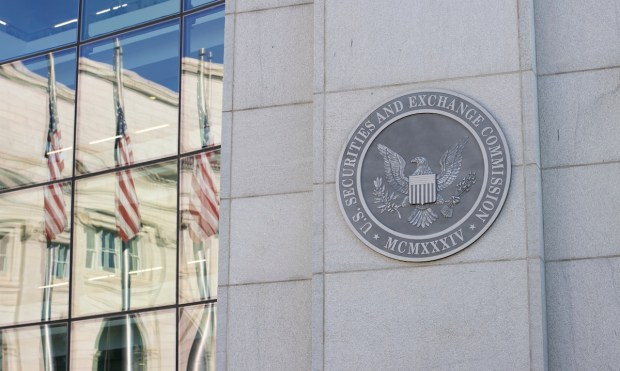
The SEC wants investors to understand material risks associated with AI businesses, according to SEC Director of Enforcement David Woodcock, Reuters reported Friday (Oct. 30). Technology stocks are facing pressure over the cash required to expand computing capacity and uncertainty over the returns these investments will generate.
“Our principal concern is that people are making accurate disclosures about material information so that investors know what they’re getting into,” Woodcock said, per the report.
Where adequate disclosure is absent, “then enforcement will be present,” he said, emphasizing that the agency does not want to obstruct technological innovation, according to the report.
The warning comes as chipmakers, cloud providers and AI developers become connected through investments and commercial agreements. These relationships raise a disclosure issue, including whether investors can distinguish demand supported by suppliers’ financing from spending sustained by customers’ own operations.
Meta’s latest fundraising provides a concrete example. The company increased its planned equity offerings to $97.5 billion, Reuters reported Oct. 26. Nvidia, Advanced Micro Devices and Broadcom expressed interest in investing up to $5 billion collectively. Nvidia and AMD subsequently announced investments of $3 billion and $1 billion, respectively.
Such arrangements allow suppliers to help finance customers that buy their products, reinforcing concerns about circular capital flows. By themselves, they do not establish improper accounting. But they complicate assessments of how independently demand is developing and how exposed companies are to one another.
Meta reported $2.12 billion in negative free cash flow for the third quarter, compared with positive free cash flow of $10.63 billion a year earlier, the report said. Its future spending commitments totaled about $825 billion, primarily for data centers, other AI infrastructure and cloud computing.
Woodcock did not identify Meta as an enforcement target. However, his comments chime with a sustained effort to strengthen financial reporting enforcement.
The SEC announced Aug. 5 a specialized Financial Reporting and Accounting Unit to pursue reporting fraud and misconduct involving accounting and auditing. Led by Timothy Zimmerman, senior adviser to the director of the SEC’s Division of Enforcement, the unit brings together attorneys and accountants with expertise in those areas and coordinates with other SEC divisions and offices.
Woodcock’s interest predates the AI boom. A certified public accountant who worked as an auditor before entering law, he directed the SEC’s Fort Worth office from 2011 to 2015. During that tenure, he helped create and chaired the agency’s Financial Reporting and Audit Task Force, designed to improve detection and prosecution of accounting violations and false financial statements. He returned as enforcement director in May.
In remarks before the 12th annual Government Enforcement Institute Sept. 18, Woodcock described financial reporting and internal accounting controls as central priorities. He cited cases involving allegedly inflated business performance, false inventory entries and sham advertising transactions that overstated revenue. He warned companies to “get the numbers right, fix problems fast, and engage constructively with the staff.”
He also acknowledged that accounting investigations often take years. Concentrating specialist expertise should help the agency develop stronger cases more quickly.
The resulting signal for AI companies is that ambitious expansion plans will be assessed alongside the quality of the financial information supporting them. For boards, finance teams and counsel, that suggests close attention to how disclosures explain funding relationships, spending commitments and dependence on major counterparties.
The practical issue is whether investors receive enough information to assess the durability of growth, and the risks financing arrangements create.
Woodcock’s remarks announced no new AI disclosure rule or company-specific charge. Instead, they suggest that the SEC’s established financial reporting priorities are becoming relevant to the financing structures underpinning the AI buildout.
For all PYMNTS AI coverage, subscribe to the daily AI newsletter.