Open banking is also rewriting the rules for small- to mid-sized businesses (SMBs). Open banking offers new opportunities for these SMBs to expand across international borders by making multi-currency acceptance possible through third-party apps that employ open banking technology. This type of technology allows banks, financial institutions (FIs) and FinTechs to transfer information seamlessly and securely through a standardized protocol (PSD2 in Europe and “Open Banking” in the U.K.). That means a small business in one corner of the world can accept payments from new audiences regardless of where they are located, provided they use an open banking-powered service.
Open banking powers instant payments that are essential for smaller manufacturers and retailers to develop stable supply chains when producing, shipping and selling goods between countries. Shipping delays are often caused by slow or failed payments, and this is one of open banking’s most significant impacts on SMB growth.
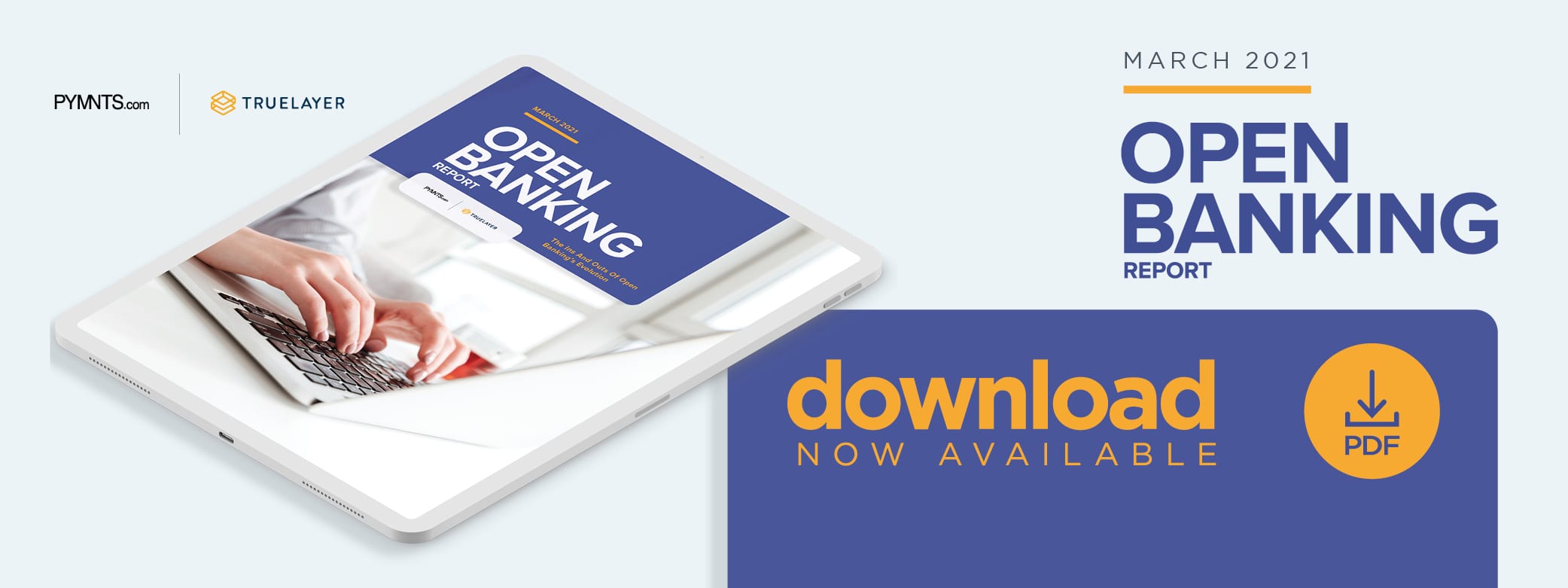
The Open Banking Report: The Ins And Outs Of Open Banking’s Evolution, a collaboration with TrueLayer, explains the what and the how of open banking and outlines its transformational potential, especially during the ongoing pandemic. The report also offers insight into how payment service providers (PSPs) and merchants can benefit.
F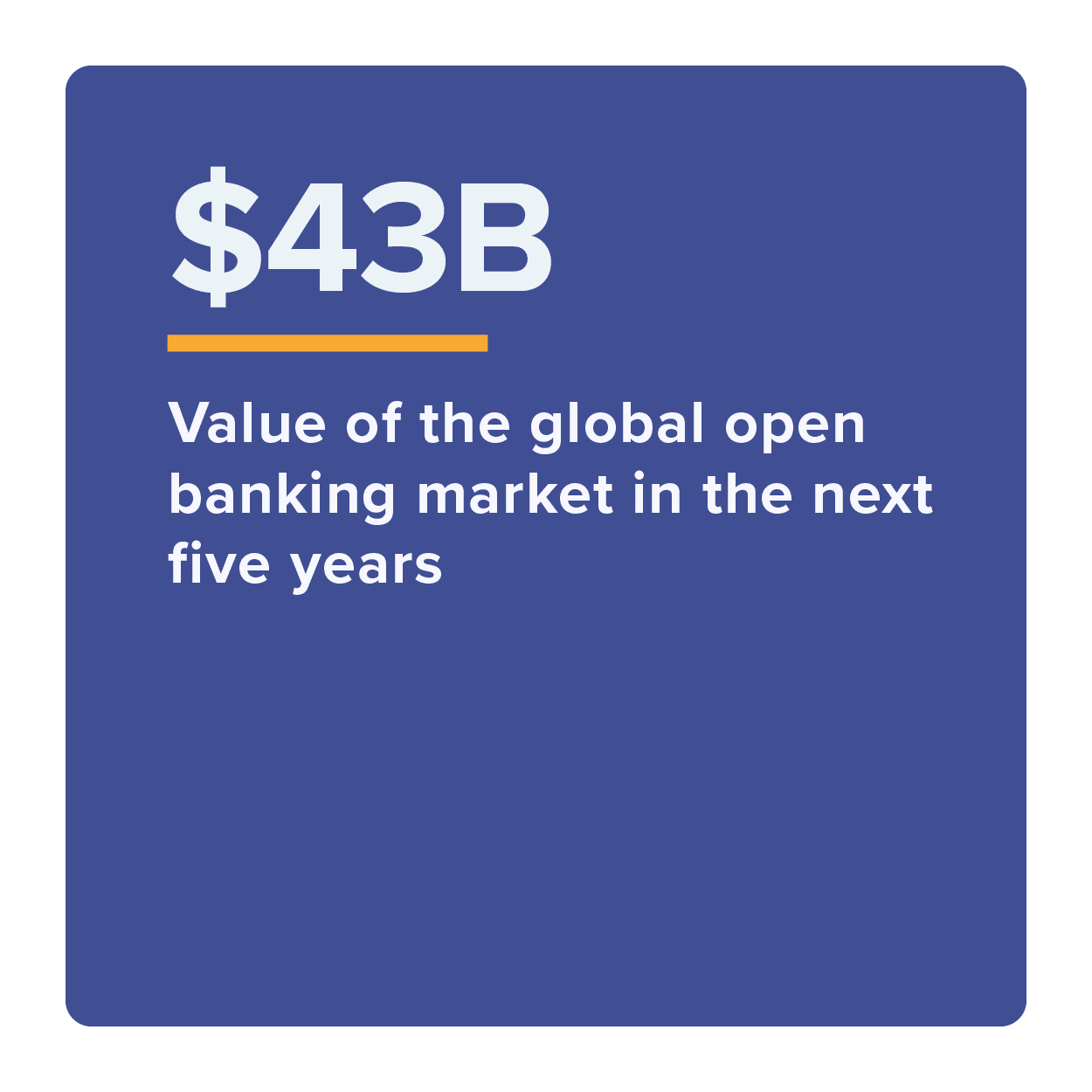 inTech Payoneer employs uses for open banking technology in its payments modernization app which enables businesses to develop trade globally, for example. Because open banking offers fast, standardized transaction management between FIs and secure APIs, Payoneer clients can simply register with the app and access a global audience of customers even if their primary FI does not offer instant payments.
Open banking is also transforming personal finance. Consumers have become accustomed to one-click purchasing due to eCommerce behemoths such as Amazon. Open banking has brought the “click-to-access” model to personal finance, by powering apps that allow consumers to view all their financial accounts through a single dashboard, eliminating the need for multiple sign-on instances.
FinTech Plum leverages open banking technol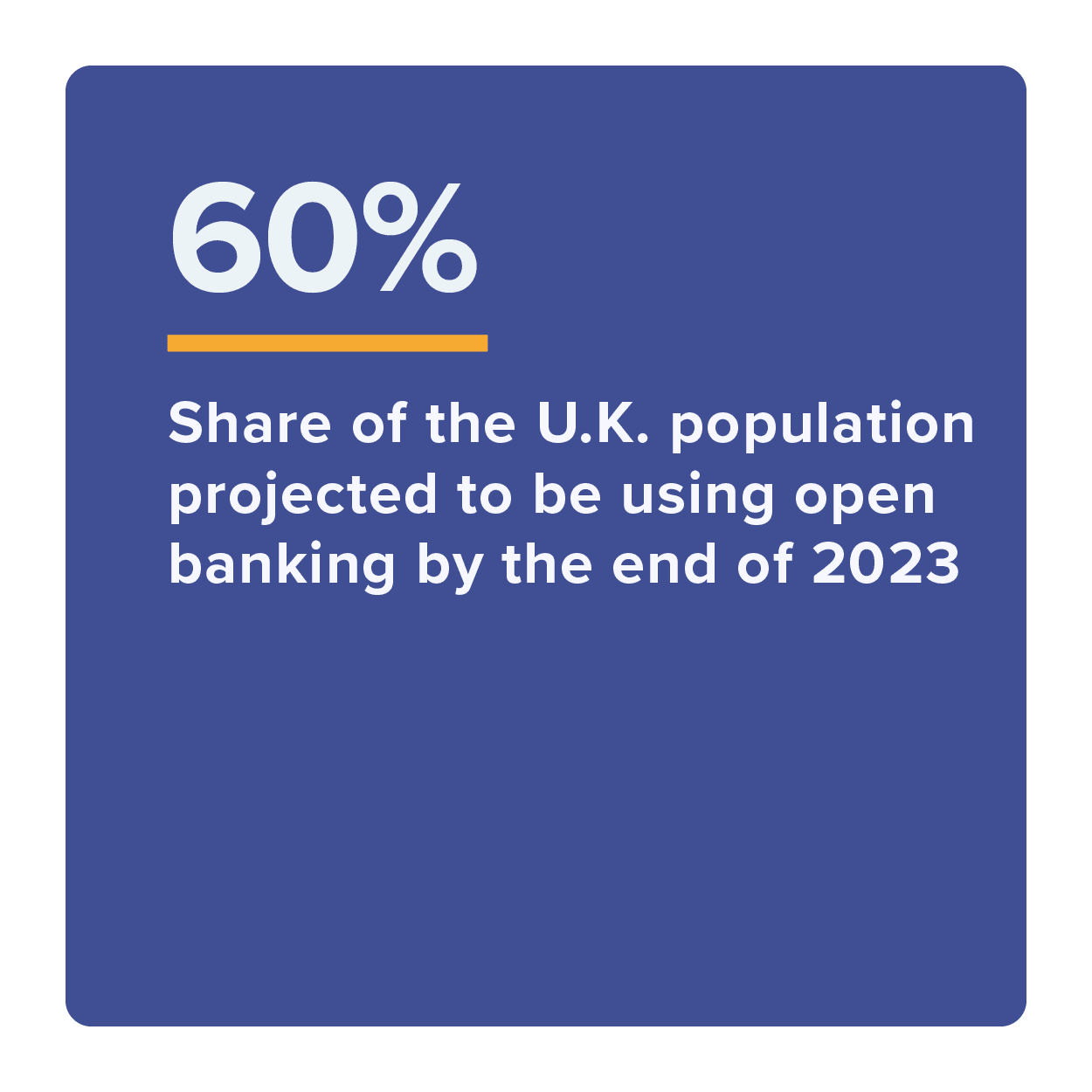 ogy to automate its users’ savings and investment contributions from their FIs, while providing them with complete visibility over all of their accounts on a single screen, for another example.
Plum’s app allows consumers to sign up instantly and link bank and investment accounts securely. Using open banking-powered user authentication technology, Plum’s app simplifies investment and savings management for consumers with a few clicks.
About The Report
In The Open Banking Report: The Ins And Outs Of Open Banking’s Evolution, a collaboration with TrueLayer, PYMNTS examines the benefits of open banking adoption for FIs, FinTechs and retailers, and survey the transformative effects of open banking on the payments ecosystem.


 Open banking has become a welcome disruptor in the payments ecosystem. It has made it easier for financial institutions (FIs) and retailers to create innovative products that rely on secure instant payments. Open banking has also powered microbusinesses seeking to expand but lacking the ability to process international payments. While the phrase “open banking” has been used to describe everything from application programming interface (API)-enabled financial products to payments gateways, it encompasses infrastructure and payment technologies as well as regulations.
 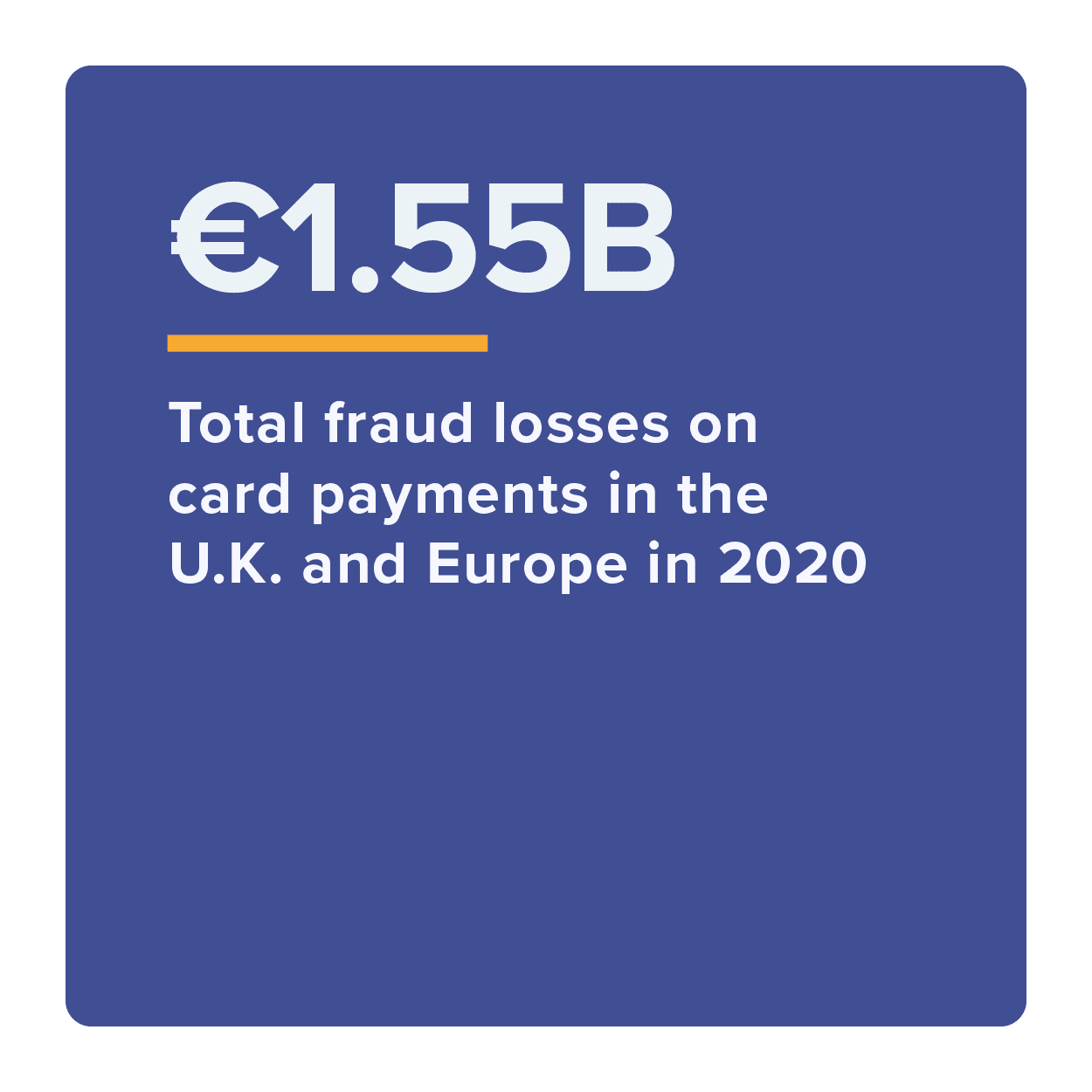 Open banking is an approach to financial transaction management that powers cross-border commerce and payment innovations using a customer information security model that does not sacrifice performance for data protection.