The global health crisis required both businesses and consumers to change the way they conducted routine transactions, both with purchasing and bill payments. The pandemic’s economic impacts forced businesses in particular to reevaluate their methods for moving money. One recent survey found that 49% of United States financial leaders were “concerned” or “extremely concerned” about their organizations’ cash flow during the crisis, and 25% now feel that gaining better control over their companies’ daily financial processes is a top priority, up from 20% before the pandemic’s onset.
Consumers also experienced frictions with bill payments during the pandemic. The need for swifter, more transparent financial processes is piquing widespread interest in automated bill pay solutions. Offering digital-first bill payment tools that enable easy, real-time transactions can confer key advantages on businesses looking to revitalize their cash flow and attract new customers.
In fact, more than three-quarters of U.S. businesses report that the pandemic has accelerated their organizations’ plans to digitize accounts payable, and consumers are also increasingly viewing bill pay as a must-have when choosing a financial institution (FI). Nearly 20% of U.S. adults in a recent survey blamed cumbersome or overly complicated online bill payment processes for making late payments, a pain point that could prompt them to seek new financial partners. This month, PYMNTS Intelligence examines why automated billing tools are proving more attractive to both billers and FIs and why these tools are becoming more critical to customer engagement and retention.
We’d love to be your preferred source for news.
Please add us to your preferred sources list so our news, data and interviews show up in your feed. Thanks!
Matching Bill Pay Expectations
 Many businesses still rely on manual billing processes and paper invoices, which have grown costlier and more cumbersome to manage since the pandemic began. A March 2021 report found that just 23% of businesses were fully prepared to implement electronic invoicing, and 66% of surveyed organizations said it took them more than one workday each month to fully manage existing vendor invoices.
Time-consuming invoicing and billing processes can also have a detrimental effect on companies’ relationships with their customers or vendors, as the inability to swiftly validate invoices was cited by 40% of businesses as the top reason causing late payments.
Automated bill pay tools that work in real time to send both funds and remittance data are also rising in importance as customers’ needs and expectations shift. A recent study determined that consumers are increasingly reliant on banks’ recurring online payment solutions, with 78% of respondents having at least one recurring charge on their cards each month.
Consumers want more transparency, however, as 60% of surveyed cardholders admitted they had forgotten about at least one recurring payment in the past year. Almost three-quarters of respondents estimated they waste more than $50 each month in recurring expenses they no longer need, and they are seeking solutions that offer a clearer picture of their recurring bill payments — a quest that could lead them to switch FIs. More than half of cardholders said recurring payments are difficult to track, and nearly all agreed on the value of knowing where their cards are stored at all times. These frictions reveal opportunities for FIs and businesses to improve their automated bill pay solutions.
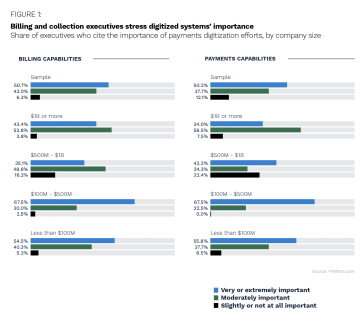
FIs and businesses are taking steps to integrate payment tools into their platforms. Recent PYMNTS data found that nearly 51% of executives at utility and consumer finance companies said the digitization of their billing capabilities is “very” or “extremely” important.
Integrating digital bill pay solutions into platforms is likely to become essential to gaining customers’ engagement and loyalty within the next several years. Both banks and businesses will need to be mindful of consumers’ growing demands for transparent bill pay solutions, however. Incorporating convenient, real-time bill pay into existing services will remain a top priority for both billers and FIs as they seek to grow their customer bases and expand their revenue.



 Add as Preferred Source