The cost of the traditional Thanksgiving centerpiece, the turkey, is at its lowest since 2010, as retailers try to push product for another holiday that’s falling victim to the coronavirus pandemic.
The CDC released a warning Thursday (Nov. 19) urging people not to travel for Thanksgiving, as officials worry the holiday could proliferate the second wave of the coronavirus. Already, airlines have reported a decline in flight reservations for the holiday.
While many grocery retailers are limiting the purchase of certain essential items to prevent panic buying amid a second wave of coronavirus cases, turkeys are “in ample supply at grocery stores in most areas of the country,” said American Farm Bureau Federation Chief Economist Dr. John Newton in a Nov. 19 press release.
We’d love to be your preferred source for news.
Please add us to your preferred sources list so our news, data and interviews show up in your feed. Thanks!
The Farm Bureau’s 35th annual Thanksgiving dinner survey found that the average cost to feed 10 people for Thanksgiving is $46.90, a decrease from $48.91 in 2019. That comes out to less than $5 a person.
“The average cost of this year’s Thanksgiving dinner is the lowest since 2010,” said Newton in the release. “Pricing whole turkeys as ‘loss leaders’ to entice shoppers and move product is a strategy we’re seeing retailers use that’s increasingly common the closer we get to the holiday.”
The survey found 16-pound turkeys are clocking in at $19.39 this year, down 7 percent from last year.
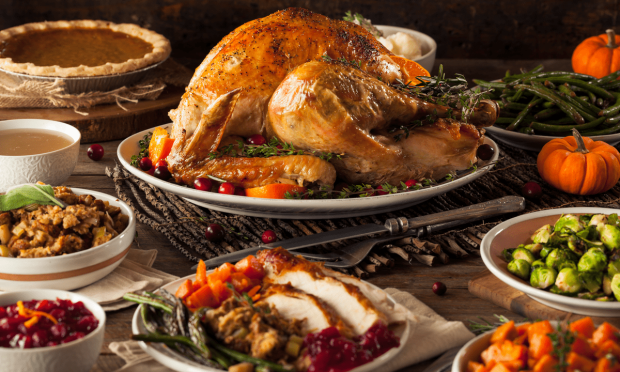
In the complete Thanksgiving dinner, the Farm Bureau also surveys the price of stuffing, pumpkin pie with whipped cream, sweet potatoes, peas, cranberries, a veggie tray, rolls with butter, coffee and milk quantities that provide for 10 people — plus leftovers.
When the Bureau adds in ham, potatoes and frozen green beans, the price of the meal increases to $60.11.
The Farm Bureau found that sweet potatoes and whipping cream prices are also down this year.


 Add as Preferred Source