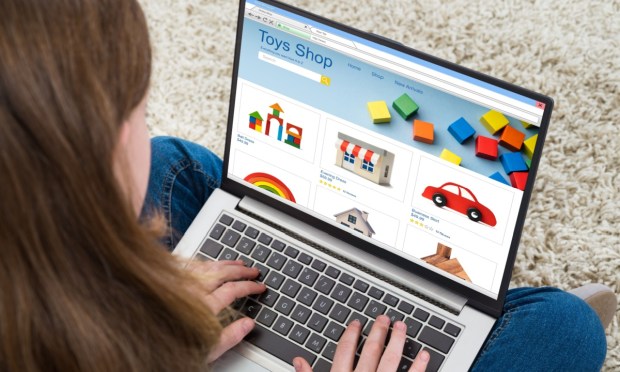
The two rival eCommerce sites are increasing their offerings of toys while also gaining greater prominence as sellers of all sorts of products, Reuters reported Friday (Nov. 29).
While Shein gained popularity as a seller of low-price apparel, one of the company’s fastest-growing categories is now toys, a company spokesperson said in the report.
Temu told Reuters that it is seeing more searches by shoppers seeking toys on its site, according to the report.
Both platforms have been gaining ground in several product categories by offering consumers goods at low prices, the report said. They have also drawn sellers by offering lower fees.
We’d love to be your preferred source for news.
Please add us to your preferred sources list so our news, data and interviews show up in your feed. Thanks!
In the U.S. toy market, Temu and Shein face a challenge, as Amazon, Walmart and Target account for about 70% of toy sales, per the report.
In Europe, about 39% of consumers — and 60% of younger consumers — have bought toys or games on Temu, Shein or AliExpress this year, according to the report.
It was reported Wednesday (Nov. 27) that Shein and Temu bid heavily on search keywords used by their competition, making it harder for other retailers on Black Friday.
For example, Temu bid on keywords like “Walmart Black Friday deals,” “Kohls Black Friday” and “Bed Bath Beyond,” while Shein bid on keywords like “Walmart clothes,” “Zara Jeans,” “Mango dresses” and “Nordstrom Rack shoes.”
On Nov. 21, Temu announced that any U.S. seller can join its online marketplace, with no invitation needed.
“Whether small businesses or individual entrepreneurs, [U.S. sellers] can now connect directly with millions of consumers,” a Temu spokesperson told PYMNTS at the time in an email. “Temu provides the tools; sellers bring the products.”
As for Shein, it was reported in July that the company pledged a $271 million, five-year investment in Europe and the United Kingdom. Shein sources some clothes from factories in Turkey, but most of its products come from suppliers in China.
The company set aside funds for “potential investments in R&D or pilot Shein production facilities in Europe or the U.K.,” along with initiatives to help brands and designers from the region capture a bigger market via Shein’s marketplace.


 Add as Preferred Source