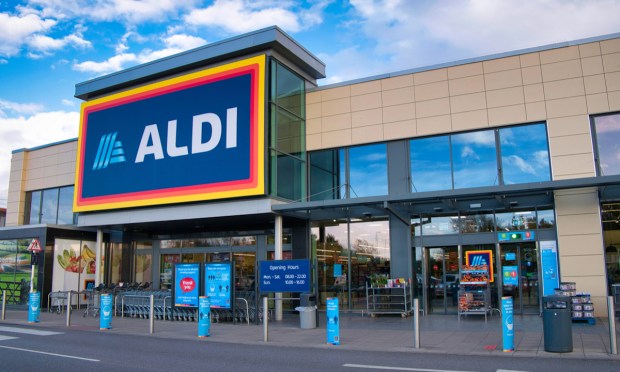
The company is launching a $9 billion U.S. expansion plan, opening a new store every few days on the road to having up to 4,000 locations nationwide, the report said. Within months, Aldi will have more stores than Kroger, America’s biggest supermarket chain.
“We don’t know what the ceiling is,” said Scott Patton, Aldi USA chief commercial officer, per the report. “We’re trying to take market share from anyone who sells groceries.”
Years of increasing food prices have crimped consumer budgets, providing Aldi the opportunity to cut into the U.S. grocery space the same way it has in Europe, according to the report.
We’d love to be your preferred source for news.
Please add us to your preferred sources list so our news, data and interviews show up in your feed. Thanks!
Last year, Aldi launched a $2.2 billion plan to jumpstart expansion in the United Kingdom, aiming to open 80 stores within the space of two years.
Food inflation represents “an opportunity for consumers to rethink where they shop,” Patton said, per the report.
Aldi has already snatched up market share at a pace that puts the company in line with the likes of Walmart, Sam’s Club and Costco, the report said, citing data from Morgan Stanley. The bank analyzed credit card data showing that when an Aldi store opened, it took away an average of one percentage point off annual sales from rivals within a 10-mile radius.
Aldi’s expansion plans are happening as 66% of U.S. consumers who face cost-of-living pressures are cutting back on everyday spending, according to the PYMNTS Intelligence report “Inside the Cutback Economy: How Age, Behavior and Financial Pressure Shape Consumer Spending.”
“More than one-third of U.S. adults now qualify as being in active financial retreat, meaning they spent less in the first quarter, saved less and increasingly relied on spending reductions to manage household finances,” PYMNTS reported Tuesday (June 16).
Groceries, however, stood out from all other spending categories, with consumers across generations consistently pointing to grocery costs as a financial hardship.
“Yet those same consumers continued spending in the category,” the report said. “For merchants and brands, that distinction matters. Groceries may be a source of financial stress, but they remain largely unavoidable. Everything else is subject to negotiation.”


 Add as Preferred Source