
Anti-money laundering (AML) refers to a set of laws, regulations, and procedures intended to prevent criminals from disguising illegally obtained funds as legitimate income. Though anti-money-laundering laws cover a relatively limited range of transactions and criminal behaviors, their implications are far-reaching.


Abra has rolled out Abra Borrow, which will help the company reach its goal of becoming a complete crypto bank, a company blog post stated....

In today’s top news, Boston’s Federal Reserve and MIT could reveal digital dollar prototypes this summer, and Jumio raised $150 million to expand its digital...

Get the Full Story Complete the form to unlock this article and enjoy unlimited free access to all PYMNTS content — no additional logins required....

Twitter CEO Jack Dorsey has sold his first tweet as a non-fungible token (NFT) for over $2.9 million, CNBC reported. The tweet in question reads...

While cryptocurrency has found more mainstream acceptance among consumers, it also has the unfortunate tendency to draw money launderers. According to a PYMNTS AML/KYC Tracker,...
Cross-border payments represent a big opportunity for firms worldwide — more than $120 trillion in payments volume flows each year between business trading partners globally,...
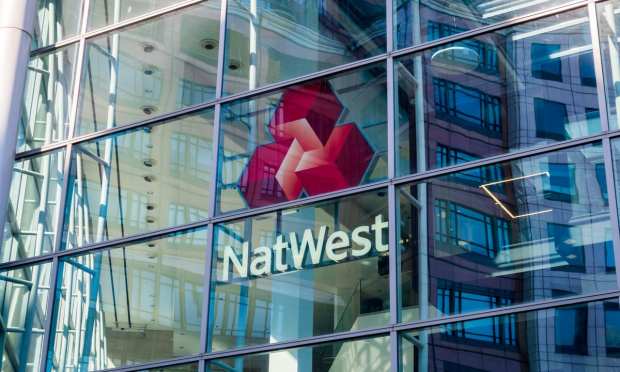
The United Kingdom’s Financial Conduct Authority (FCA) announced Tuesday (March 16) it had commenced criminal proceedings against National Westminster Bank Plc (NatWest) for violation of...

Last month, U.S. Treasury Secretary Janet Yellen said central banks should explore creating and issuing sovereign digital currencies. The hypothesis is that such currencies —...

Identity verification provider Acuant has partnered with blockchain software firm Scalable Solutions to create a platform that provides anti-money laundering (AML) and know your customer...