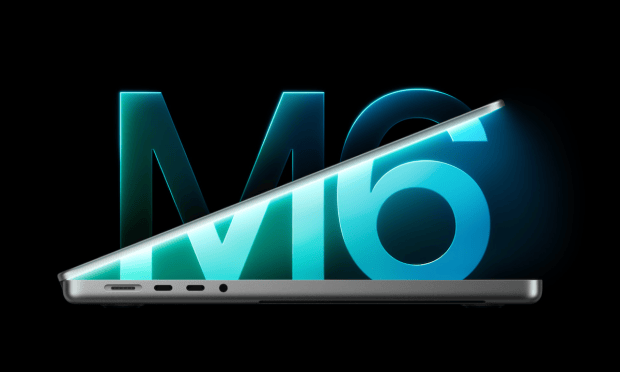
The new computer is designed to provide “25% faster AI workloads” versus devices powered by the M5 chip, Apple said in its announcement Tuesday (Oct. 27).
“The 14-inch MacBook Pro is the pro laptop of choice for a wide range of users—from college students, to business professionals across every industry, to multidisciplinary creators doing it all on one device,” said Shelly Goldberg, Apple’s vice president of hardware engineering. “With the powerful M6 chip, we’re taking performance to the next level, with a boost in CPU speed and graphics and even more powerful capabilities for on-device AI.”
We’d love to be your preferred source for news.
Please add us to your preferred sources list so our news, data and interviews show up in your feed. Thanks!
The new MacBook Pro will hit stores with a starting price of $1,999, with the iMac carrying a base price of $1,499. Customers can pre-order both devices beginning Wednesday (Oct. 28) in 35 countries and regions, with availability expected Nov. 6.
In addition to the enhanced AI performance, Apple said the M6 MacBook Pro offers up to 30% faster graphics, plus 24 hours of battery life, the longest ever in one of its computers.
Apple is due to host a “Pro and Tell” event in Los Angeles on Wednesday (Oct. 28), where the company is set to feature its first touch-screen MacBook Pro.
It will be the third project launch event since John Ternus became Apple’s new CEO in September, following an event focused on the next generation of iPhones and another showcasing new smart home products.
In other Apple news, PYMNTS wrote last week about the state of the mobile wallet 12 years after Apple Pay’s debut.
While these wallets are gaining users, “familiar payment habits still have a firm grip on the register,” said the report, citing data from the exclusive PYMNTS Intelligence study “Apple Pay @12: Mobile Wallets Gain Ground, but Most Shoppers Still Tap a Card.”
“The findings reveal an opening for banks, merchants and wallet providers. More consumers are paying by phone,” PYMNTS wrote. “Some already favor a wallet over a tap-to-pay card. Others have yet to make the switch, even with compatible phones and stores ready to accept their payments. Understanding those differences can help businesses identify where to focus their efforts.”


 Add as Preferred Source