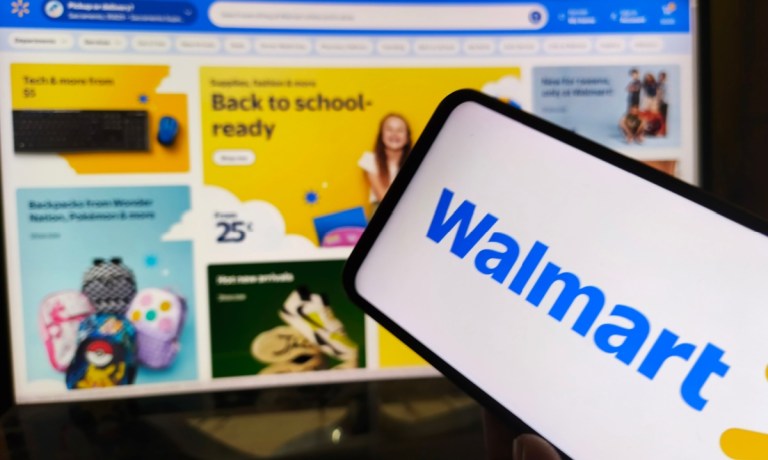
That’s according to the findings of a CNBC investigation published Friday (Sept. 19), which showed that customers on the Walmart website sometimes receive counterfeit and potentially dangerous products.
The investigation found at least 43 vendors who used the identity of another business to establish their account on Walmart’s marketplace. The report also cited interviews with nine sellers and four current and former Walmart workers who say that the company has relaxed its seller and product vetting to compete with Amazon.
“It’s very disturbing,” said Elaine Damo, owner of Lifeworks-ACS, which offers services for people with developmental disabilities.
“It’s a domino effect, and it trickles and affects everyone,” said Damo, who told CNBC she was sent returns from more than a dozen customers who’d bought counterfeits from the third-party seller that was posing as her business.
Tammie Jones, who worked on Walmart’s seller vetting team from September 2023 to April 2024, told CNBC she was pressured to approve applications from merchants, even if she had her doubts about the applicant’s credentials or documentation.
Advertisement: Scroll to Continue
“It got to a point where they were just like, ‘You know what? Just go ahead and approve everybody,‘” Jones said of her managers’ directives. “They wanted that business, so they were willing to take a chance on it.”
“Counterfeiters threaten brands and marketplaces worldwide, undermining trust and integrity,” the company said in a statement provided to PYMNTS. “At Walmart, we continuously strengthen our marketplace to protect customers and sellers. Even with over half a billion products on our platform, we take swift, decisive action to remove any counterfeit goods and bad actors who fail to meet our standards.”
The company had acknowledged the issue in a blog post in July, writing that “fraudulent sellers — who grow savvier, faking credentials and dodging enforcement — erode trust, not just in the companies who run these marketplaces, but in the thousands of large and small sellers who act with integrity and seek only to bring value and assortment to those who shop with us.”
Meanwhile, PYMNTS wrote earlier this year about the impact of eCommerce fraud, part of a “mosaic of threats, each tailored to the operational rhythms of different verticals.”
For example, retailers in the fashion sector face issues like friendly fraud and false chargebacks from customers who claim a product wasn’t delivered or was returned, when in fact it wasn’t. The industry’s heavy transaction volumes, coupled with lax return policies and frequent promotions, has sown fertile grounds for abuse.
“Meanwhile, consumer electronics sellers face an altogether different problem: SKU inflation,” that report continued. “Here, fraudsters can manipulate product listings by inflating reviews, boosting visibility for counterfeit or low-quality goods.”