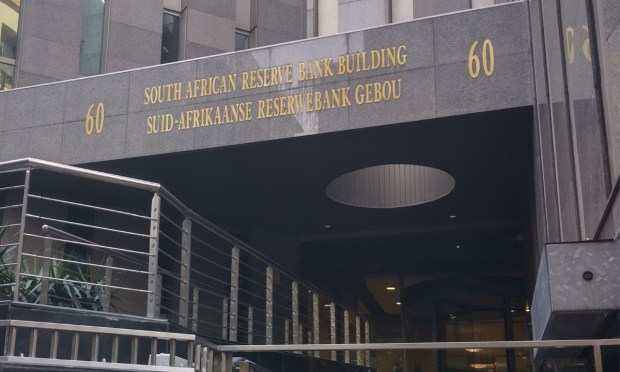
The central bank plans to unveil proposals that would let this happen in the first half of next year, ending a monopoly held by commercial lenders, Bloomberg News reported Sunday (Aug. 31), citing local media accounts.
The bank contends that increased access will promote competition, efficiency, innovation and financial inclusion.
SARB oversees the NPS, which allows for money transfers between institutions. Under the current system, nonbank payment platforms need to work with a commercial lender if they want to clear and settle payments, the report added.
We’d love to be your preferred source for news.
Please add us to your preferred sources list so our news, data and interviews show up in your feed. Thanks!
Research by PYMNTS Intelligence and The Clearing House, as seen in the “Real-Time Payments World Map” report, has shown that while much of the initial development and adoption of real-time payments has been fueled by traditional financial institutions and specialized payment platforms, nonbanks are entering the faster payments space.
“Their participation signals a new era for real-time payments, promising widespread adoption and further innovation,” PYMNTS wrote last month. “Among the most visible nonbanks making the leap is retail giant Walmart, which is poised to roll out its own real-time pay-by-bank option this year, building on a successful test conducted in September.”
The initiative, that report added, marks a shift from Walmart’s existing ACH-based pay-by-bank service, which debuted in 2024, by facilitating the instant transfer of money directly from shoppers’ bank accounts to Walmart.
“The immediate appeal for a retailer like Walmart is multifold,” the report said. “Primarily, it offers a direct pathway to avoiding costly card interchange fees, an operational expense for businesses handling millions of transactions daily.”
The move into real-time payments also brings obstacles, such as the need to look into robust solutions for transaction disputes, an area that has historically presented challenges for real-time payment rails.
The motivations leading nonbanks into real-time payments line up with the broader benefits these systems offer across the financial ecosystem. For businesses such as large retailers, the shift to real-time processing, means immediate payment validation and accelerated cash flow with guaranteed funds. This helps make sure that money is available almost instantly, leading to improved liquidity and operational efficiency.
“Moreover, real-time payment solutions can lead to streamlined data management and enhanced data security through the use of aliases rather than sensitive bank account details, as demonstrated by pioneering efforts like Truist Financial Corporation’s alias-based Request for Payment (RfP) solution on the RTP® network,” PYMNTS added.


 Add as Preferred Source