According to a recent report by Chain Store Age, the Retail Industry Leaders Association (RILA) is calling on lawmakers to address the issue when Congress returns to D.C. next month.
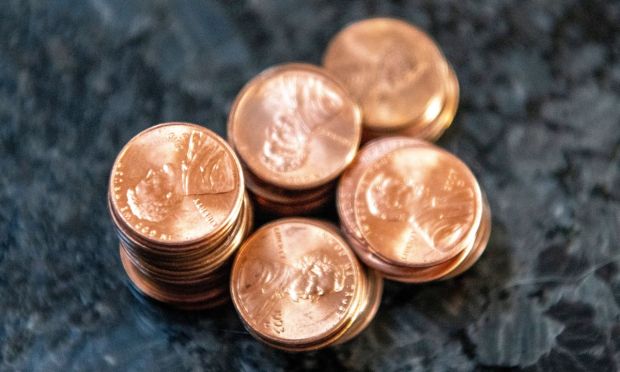
The problem began earlier this year when the U.S. Treasury said it would cease minting new pennies, calling the process costly and inefficient.
“The penny’s demise is, at heart, a matter of economics. In 2024, it cost nearly 3.7 cents to produce a single penny — almost four times its face value — resulting in annual losses exceeding $56 million for the U.S. Mint,” PYMNTS wrote in May.
“With more than half of all pennies languishing in jars and drawers, and digital payments reducing the need for small change, the penny’s utility has dwindled.”
We’d love to be your preferred source for news.
Please add us to your preferred sources list so our news, data and interviews show up in your feed. Thanks!
The same report noted that the U.S. was following in the footsteps of Canada, Australia and New Zealand, all of which had phased out their lowest-denomination coins.
“The transition is expected to save taxpayers millions and streamline cash handling for businesses,” PYMNTS added.
However, the RILA says retailers are wrestling with major challenges related to a lack of clear legal guidance on the future of the penny, particularly on crucial matters such as rounding cash transactions, and want clarity from Congress.
This lack of guidance cost retailers millions during the holidays, levying a rounding fee on stores at a time when shoppers’ use of cash increases, Austen Jensen, RILA’s senior executive vice president of public affairs, told Chain Store Age.
“Congress should act quickly to provide the fix needed for retailers and ensure that cash tendered payments aren’t disrupted by the abrupt end of the penny,” he added.
The report also cited an RILA survey last month of 25 of the country’s largest retailers, with nearly one-quarter of these companies saying that more than 1,000 of their store locations were without pennies.
And two-thirds of retailers reported they were rounding transactions to the benefit of shoppers when pennies are unavailable. This practice, while fair to consumers, can eventually cost stores millions, the report added.
The Treasury Department said last month that while it had stopped producing pennies, the coin “remains legal tender and will retain its value indefinitely.” There were at the time an estimated 300 billion pennies already in circulation, which the Treasury said is “far exceeding the amount needed for commerce.”


 Add as Preferred Source