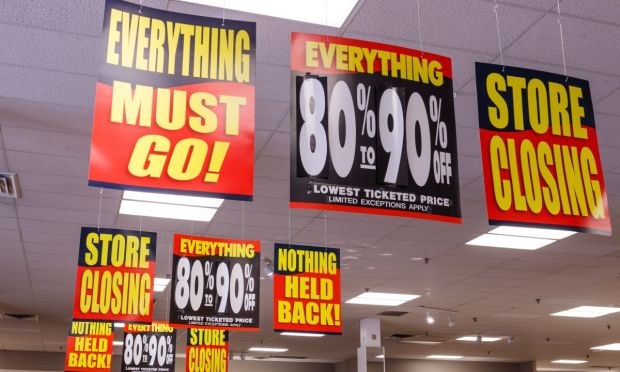
Net closings are expected this year for the luxury and department store sectors, Retail Dive reported last week, citing data from the Telsey Advisory Group. At the same time, store count for at-home retailers is expected to climb 1.4% this year, with the largest increases happening in off-price, apparel and beauty.
The report projects that Best Buy will have fewer stores in both 2025 and 2026 as it focuses on upgrading its existing stores.
Target and Walmart are also forecast to have grown their footprints in 2025, as they “work to build a digital ecosystem and complete remodels to gain a greater share of wallet,” the report added, also noting that companies could capitalize on a surge in retail bankruptcies.
We’d love to be your preferred source for news.
Please add us to your preferred sources list so our news, data and interviews show up in your feed. Thanks!
“These new bankruptcies present opportunities for surviving retailers to acquire additional retail space, enabling off-price and beauty retailers to expand their presence and enter new markets with favorable locations and terms they may not be able to secure otherwise,” the analysts wrote. “In fact, these locations have competitive interest from a number of retailers and demand has remained high given overall limited supply.”
Last year’s high profile bankruptcies in the retail space included Claire’s, At Home and Rite Aid, as well as American Signature, owner of Value City Furniture and American Signature Furniture, which is now planning to close its stores.
So far this year, the retail world has seen at least one major bankruptcy, with Saks Global seeking Chapter 11 protection earlier this month.
Writing about the retail landscape earlier this month, PYMNTS CEO Karen Webster argued that the things department stores once offered didn’t vanish, but simply moved online.
“The new anchors are no longer buildings. They are search engines, marketplaces, social feeds, recommendation algorithms and now AI agents that organize commerce dynamically and personally. And in seconds,” she wrote.
For more than a century, department stores addressed the “too much choice” problem by curating assortments trusted by shoppers. Digital platforms took on that role by making search cheap while proving an infinite selection. AI agents have begun taking this process a step further by acting on behalf of the customer, finding, comparing, and making a decision without requiring the consumer to browse at all.
“This is the structural reason physical retail lost its advantage,” Webster added. “Once aggregation and discovery could happen digitally, continuously and at scale, the economics of gathering inventory under one roof no longer delivered value to the consumer.”


 Add as Preferred Source