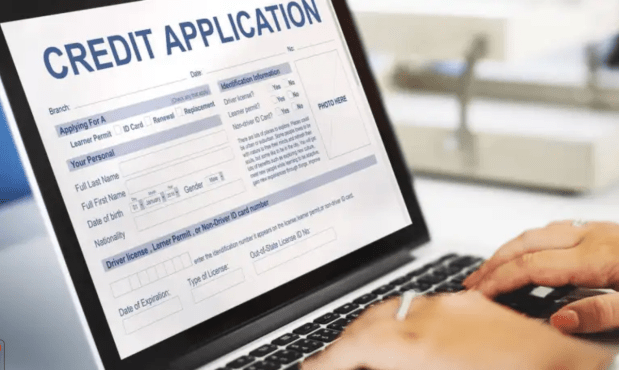
In the latest edition of its Survey of Consumer Expectations Credit Access Survey, released Monday (July 20), the Federal Reserve Bank of New York said that the rate of applications for new credit reached its highest level since October of 2021.
“Compared to February 2026 readings, the average likelihood of applying for a new credit card, auto loan, higher credit card limit or mortgage refinance declined somewhat, while the likelihood of applying for a mortgage rose slightly,” the central bank said. “The average perceived likelihood of an application rejection fell across all credit types.”
We’d love to be your preferred source for news.
Please add us to your preferred sources list so our news, data and interviews show up in your feed. Thanks!
The survey found that the overall rejection rate for any kind of credit in the last 12 months rose slightly to 16.1% in June, down from 23.1 percent during the same month last year.
Meanwhile, the New York Fed said the average likelihood of needing to come up with $2,000 for an unexpected need within the next month rose to 34% in June, while the average likelihood of being able to afford that $2,000 expense rose slightly, from 63% in February to 66% last month.
The Fed’s findings on emergency expenses follow recent research by PYMNTS Intelligence, which shows that 43% of consumers who live paycheck to paycheck and struggle to cover their bills would not be able to afford a $1,200 emergency expense within one week. That’s compared to 3% of consumers not living paycheck to paycheck.
The same research also showed that nearly 70% of financially strained paycheck-to-paycheck consumers said their savings would last no more than one month after missing work, with 45% saying they had no savings to rely on.
And 54% of consumers who live paycheck to paycheck and have trouble paying bills said essential expenses had increased by “a lot,” compared with 22% of consumers who do not live paycheck to paycheck.
“The optimistic view is that consumers are adapting rather than giving up. Many are changing how they spend, taking on occasional work or trimming nonessential expenses,” PYMNTS wrote last week.
“Among the most financially strained consumers, 53% reported spending less on dining out, entertainment, travel and other nonessentials over the past year. That compares with 41% of consumers living paycheck to paycheck without issues paying bills.”


 Add as Preferred Source